Young JV Earns His Bachelor of Music Through ETEEAP, Proving Hip-Hop and Higher Education Aren't Mutually Exclusive
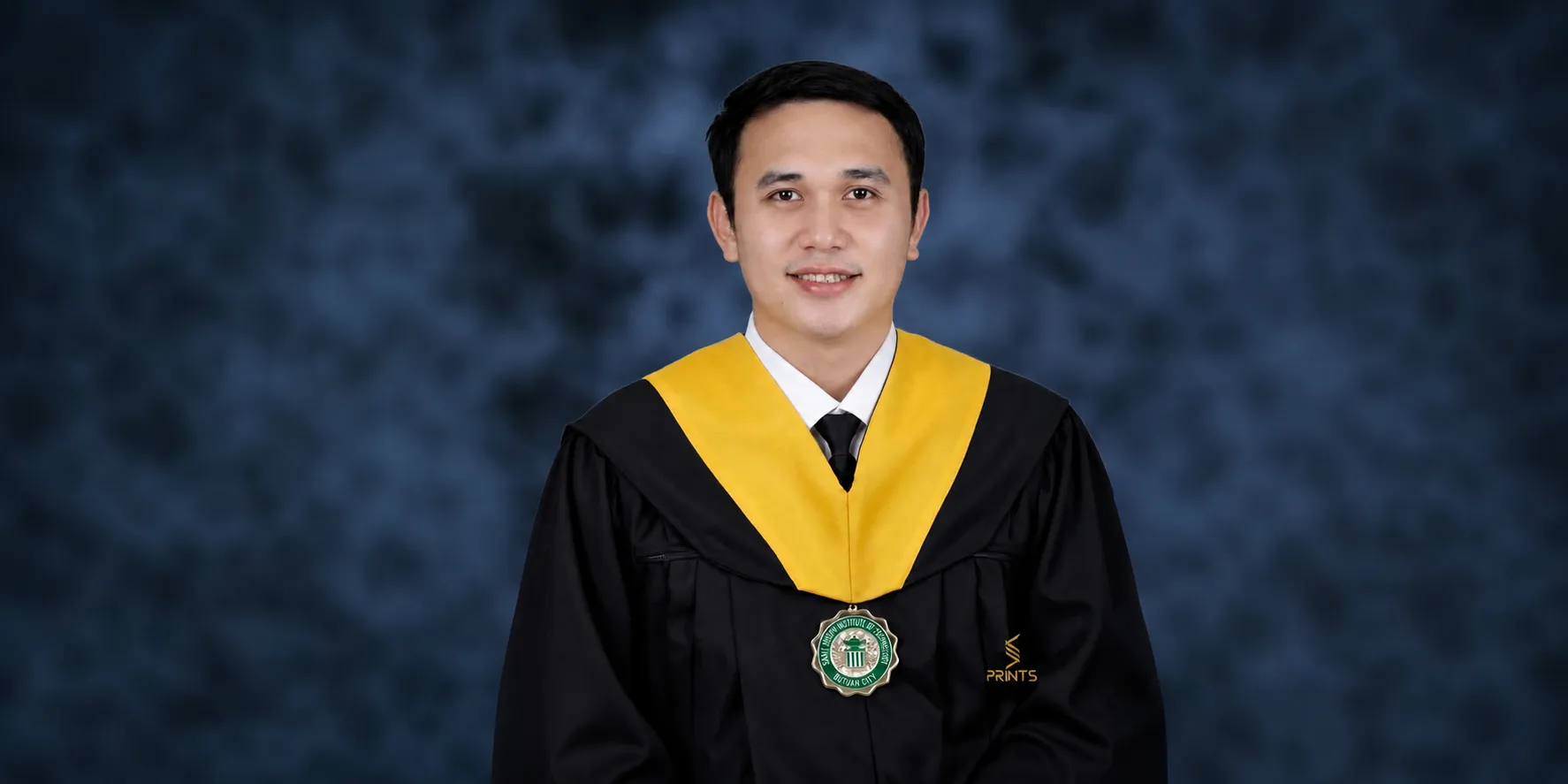
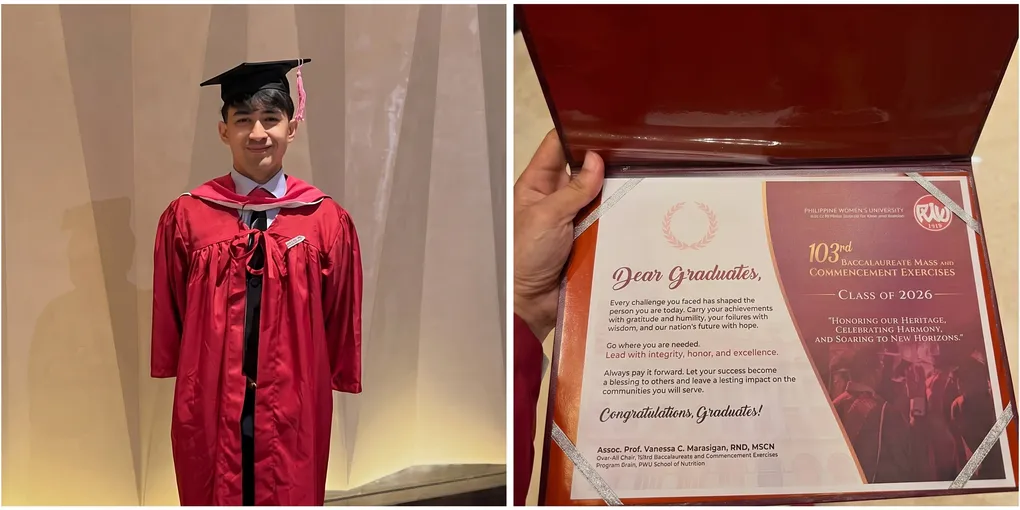
Somewhere between the recording booth, the basketball court, and the film set, Young JV found time to finish college. The singer-actor, whose full name is Eduardo Kapunan III, has completed his Bachelor of Music major in Popular Music through the Expanded Tertiary Education Equivalency and Accreditation Program. He is 36 years old. He has been a working musician since he was a teenager. And now, he has the diploma to formally recognize what nearly two decades in the industry already taught him.
It is a small milestone in the grand scheme of a career that has spanned hip-hop albums, primetime dramas, and even a stint playing professional basketball. But it is not a small thing at all for the thousands of Filipinos quietly asking themselves whether it is too late to go back to school. Young JV’s story says otherwise, and it fits into a pattern that ETEEAP watchers have seen before.
Jump to a section:
- A Rapper, an Actor, and Now, a College Graduate
- The Degree: Bachelor of Music, Major in Popular Music
- PWU and Its Growing Line of Celebrity ETEEAP Graduates
- Addressing the Skepticism: Is ETEEAP Really a Shortcut?
- What It Actually Takes to Qualify for ETEEAP
- Your Next Step
A Rapper, an Actor, and Now, a College Graduate
Young JV broke into the music scene in 2009 with “That Girl,” a single he wrote himself, and he has been building on that foundation ever since. He has released multiple albums, performed regularly on variety television, taken on dramatic roles for network television, and more recently, suited up for a Maharlika Pilipinas Basketball League team. Along the way, like a lot of Filipinos who start working young and never quite circle back to finish a degree, college got pushed further and further down the list.
That is precisely the gap ETEEAP was created to close. The program does not ask working professionals to abandon their careers and sit in a classroom for four years. Instead, it evaluates the knowledge, skills, and experience a person has already built through actual work, and converts that into academic credit toward a real, CHED-recognized degree. For someone whose entire adult life has revolved around composing, recording, and performing music, a Popular Music degree assessed through ETEEAP is not a stretch. It is a formal recognition of a career already lived.
His graduation is a reminder that finishing what you started, or starting something you never got to, does not come with an age limit. Whether life takes you into entertainment, overseas work, or a trade you learned on the job, the door back to a diploma stays open.
The Degree: Bachelor of Music, Major in Popular Music
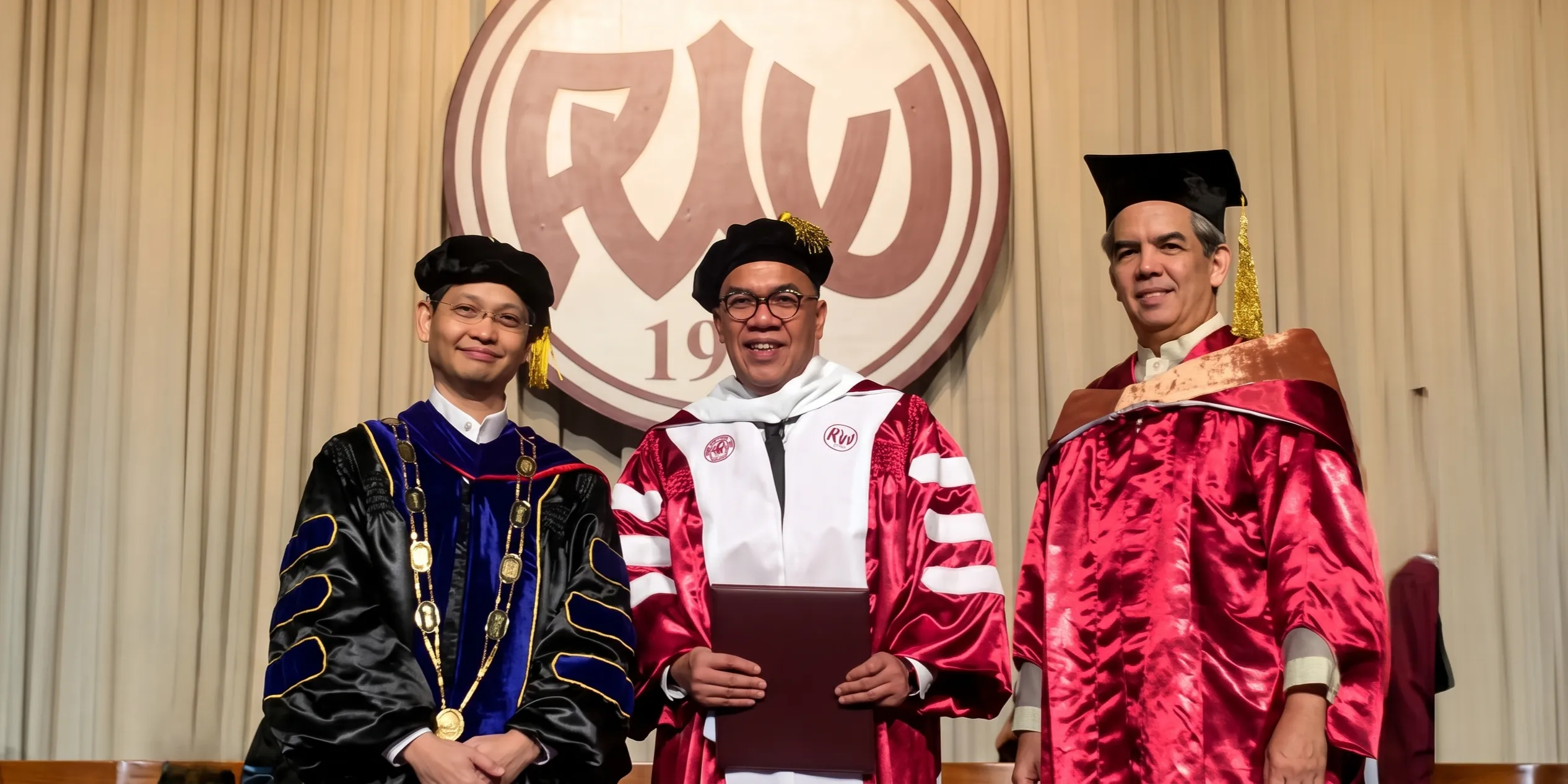
The specific degree Young JV completed, a Bachelor of Music major in Popular Music, is offered through ETEEAP at Philippine Women’s University, one of a small number of institutions in the country whose School of Music is deputized by CHED to award music degrees through equivalency and accreditation. PWU offers this pathway alongside its Music Performance and Music Education majors, all built for individuals who already have real, demonstrable experience in the field rather than a blank academic slate.
For a working musician, that assessment process typically means presenting a portfolio of released work, performance history, and training, and then going through the kind of practical demonstrations and panel evaluation that any deputized HEI uses to verify competency. It is not a rubber stamp. It is a structured evaluation designed to confirm that the applicant’s real-world musical knowledge lines up with what a Bachelor of Music program is supposed to teach. You can read more about how portfolio evaluation, written examinations, and panel interviews fit together in our breakdown of how the ETEEAP process actually works.
PWU and Its Growing Line of Celebrity ETEEAP Graduates
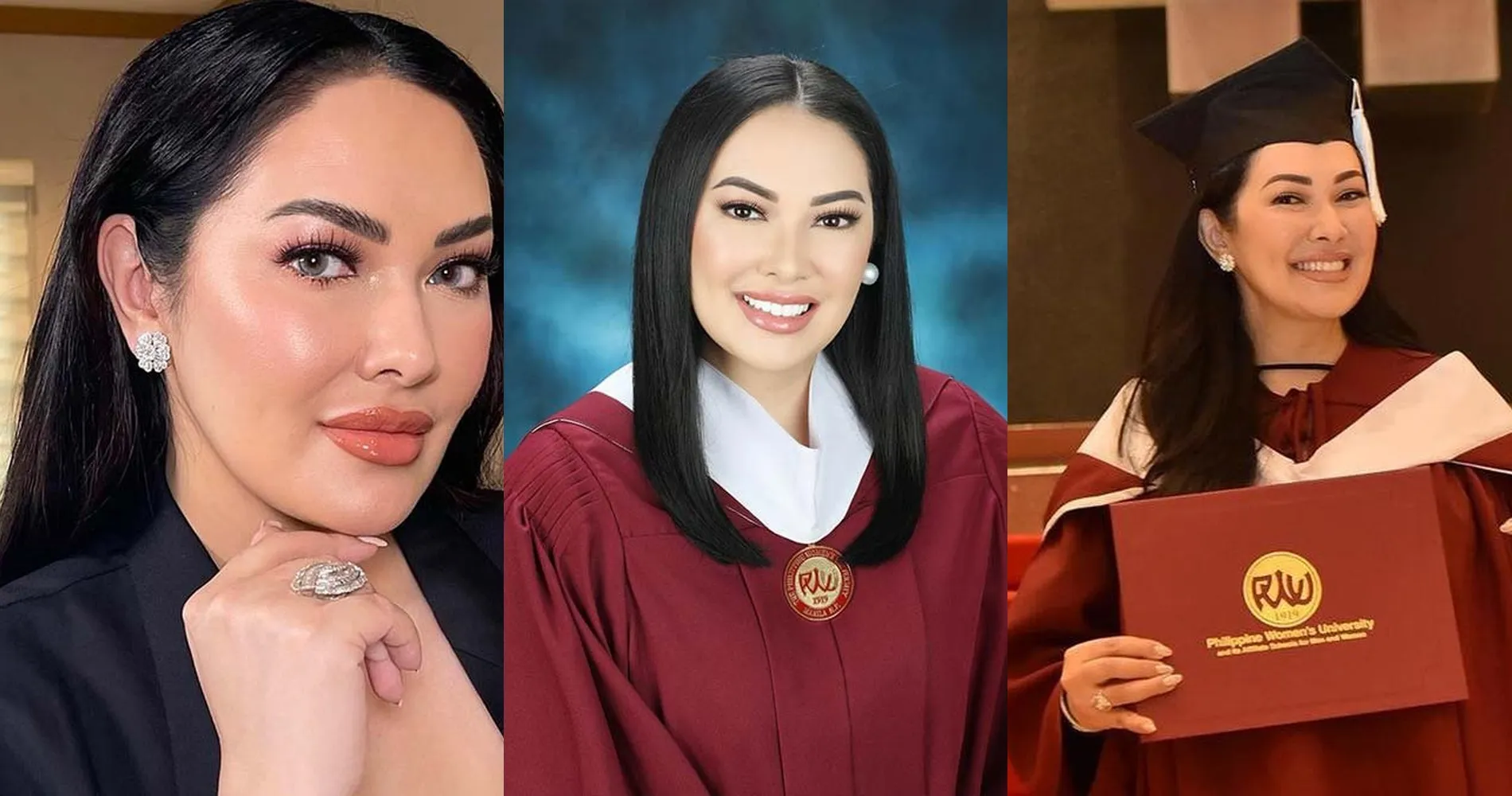
Young JV’s graduation adds his name to a list that Philippine Women’s University has quietly built over the past few years. Actress and former Miss World Philippines Ruffa Gutierrez completed her Bachelor of Arts in Communication Arts through ETEEAP at PWU, a story we covered in detail in Ruffa Gutierrez Proves It’s Never Too Late. She has since gone on to pursue a master’s degree at the same university. Their journeys, though in different fields, follow the same basic shape: years of public-facing, high-pressure professional work, translated into academic credit by a school authorized to make that call.
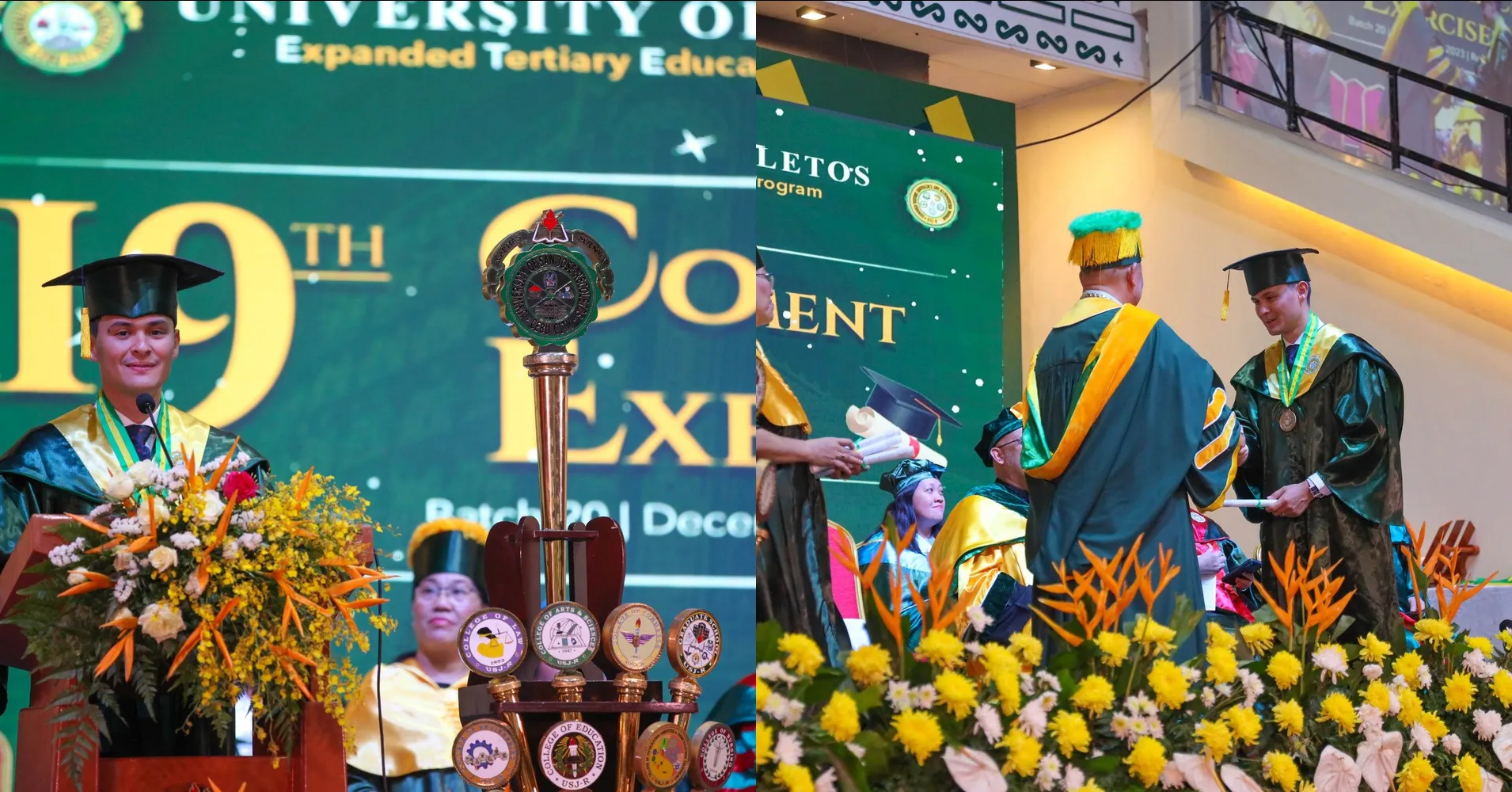
It is worth pointing out that PWU is far from the only school doing this. Actor Matteo Guidicelli earned a Marketing Management degree through ETEEAP at the University of San Jose-Recoletos, and actor Xian Lim completed a Music Production degree after years of feeling the absence of a diploma. Both stories are on our Success Stories page, alongside accounts from OFWs, government employees, and other working professionals whose names never made a headline but whose journeys are just as demanding.
Every time a well-known face graduates this way, the conversation about ETEEAP resurfaces online, usually somewhere between admiration and suspicion.
Addressing the Skepticism: Is ETEEAP Really a Shortcut?
It happens almost every time. A celebrity announces an ETEEAP degree, and within a day or two, comment sections fill up with questions about how someone with a packed schedule could possibly finish college “that fast.” It is a fair question to ask, even if the underlying assumption is usually wrong.
ETEEAP is not a faster version of a regular degree program. It is a different kind of evaluation entirely. Under Republic Act No. 12124, the law that institutionalized the program nationwide, and its accompanying implementing rules, applicants have to be at least 23 years old, hold a high school diploma or its equivalent, and carry at least five years of aggregate work experience directly related to the degree they are pursuing. From there, deputized schools like PWU are required to run candidates through a documented assessment process, which can include portfolio evaluation, written examinations, practical or skills demonstrations, and an oral defense in front of a panel of internal and external assessors drawn from academia and industry.
None of that happens overnight, and none of it is optional. If a panel finds gaps between an applicant’s real-world experience and what the degree program requires, the candidate has to complete supplemental coursework or competency enrichment before anything gets awarded. What often reads online as speed is really the absence of four years spent sitting through lecture halls, not the absence of rigor. We go deeper into how this compares to a traditional degree path in Regular Bachelor’s Degree vs ETEEAP: What’s the Real Difference?, including why an ETEEAP diploma carries the same academic weight as one earned the conventional way.
What It Actually Takes to Qualify for ETEEAP
Beyond the celebrity headlines, ETEEAP exists for a much larger and quieter population: OFWs, supervisors who never finished their degree, skilled tradespeople, and career changers who have spent years mastering something the classroom never formally certified. The basic qualifications are the same regardless of who is applying.
A candidate needs to be a Filipino citizen, at least 23 years old at the time of application, and have completed secondary education, whether through a standard high school diploma, the Philippine Educational Placement Test, or the Alternative Learning System equivalency. On top of that, applicants need at least five years of aggregate work experience in an industry connected to the degree they want, along with documentation that supports it, things like service records, certificates of employment, training certificates, TESDA National Certificates, or professional licenses where applicable.
From there, the deputized school takes over, building a portfolio review and assessment plan around the specific applicant and program. Every institution runs its own process within the standards CHED has set, which is part of why choosing the right school matters as much as meeting the basic requirements. Our Accredited Schools directory lists institutions across Luzon, Visayas, and Mindanao that are currently authorized to offer ETEEAP, organized by location and program.
Your Next Step
Young JV’s Bachelor of Music is one more entry in a long, growing list of Filipinos who decided that a busy, demanding career did not have to mean giving up on a diploma for good. Most ETEEAP graduates never make headlines. They are engineers who started as technicians, call center supervisors who never finished sophomore year, and OFWs who built entire careers abroad without a piece of paper to show for it back home.
If a story like this one has you wondering whether your own years of experience could count toward a degree, the best place to start is our quick eligibility checker, followed by a look at the degree programs currently offered through ETEEAP. And if you still have questions about how the process works before you commit to anything, our FAQs page is a good place to get straight answers.
Your experience already has value. ETEEAP is simply how you make it official.
Photo Credit: https://www.instagram.com/iamyoungjv_/