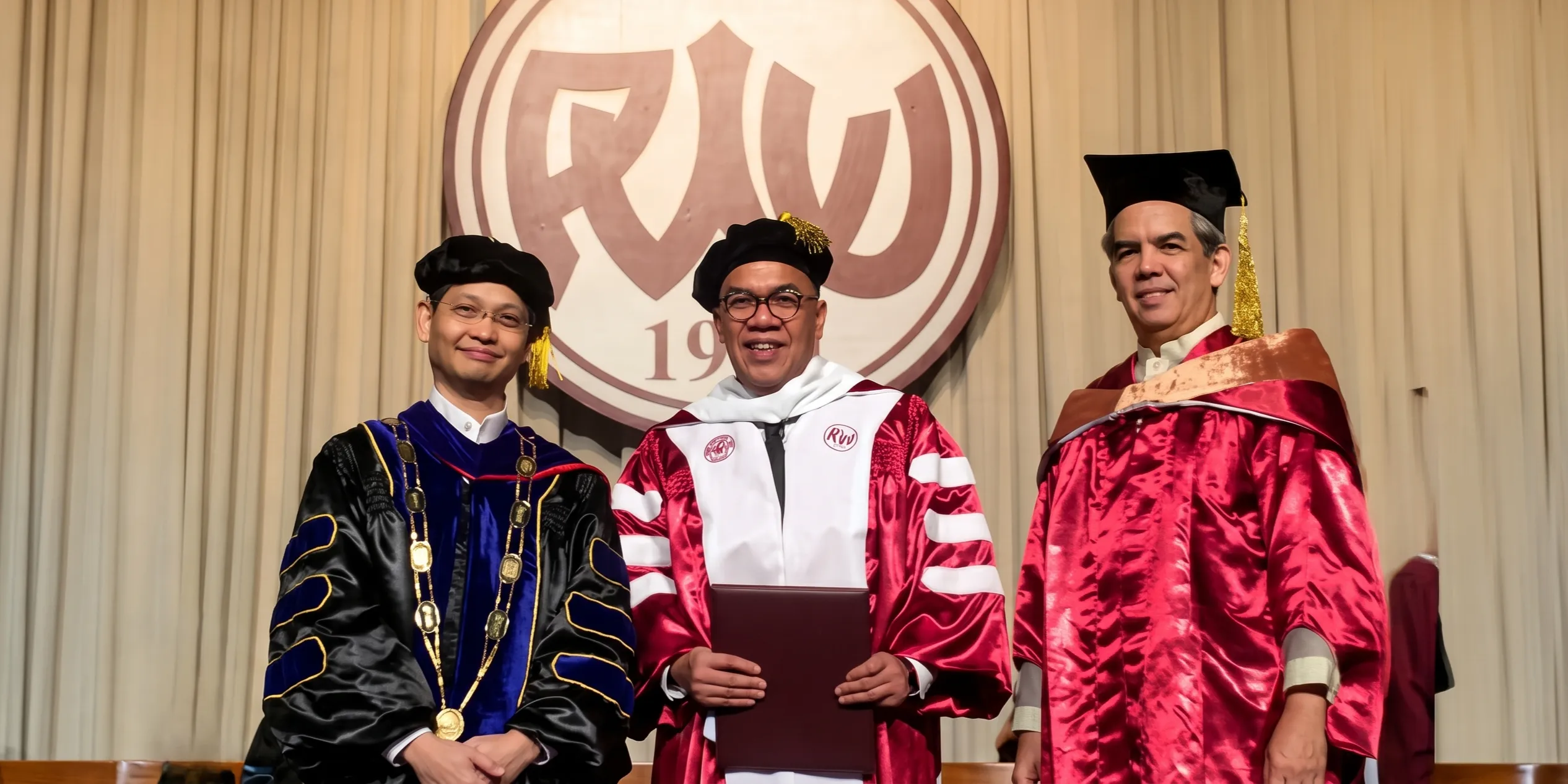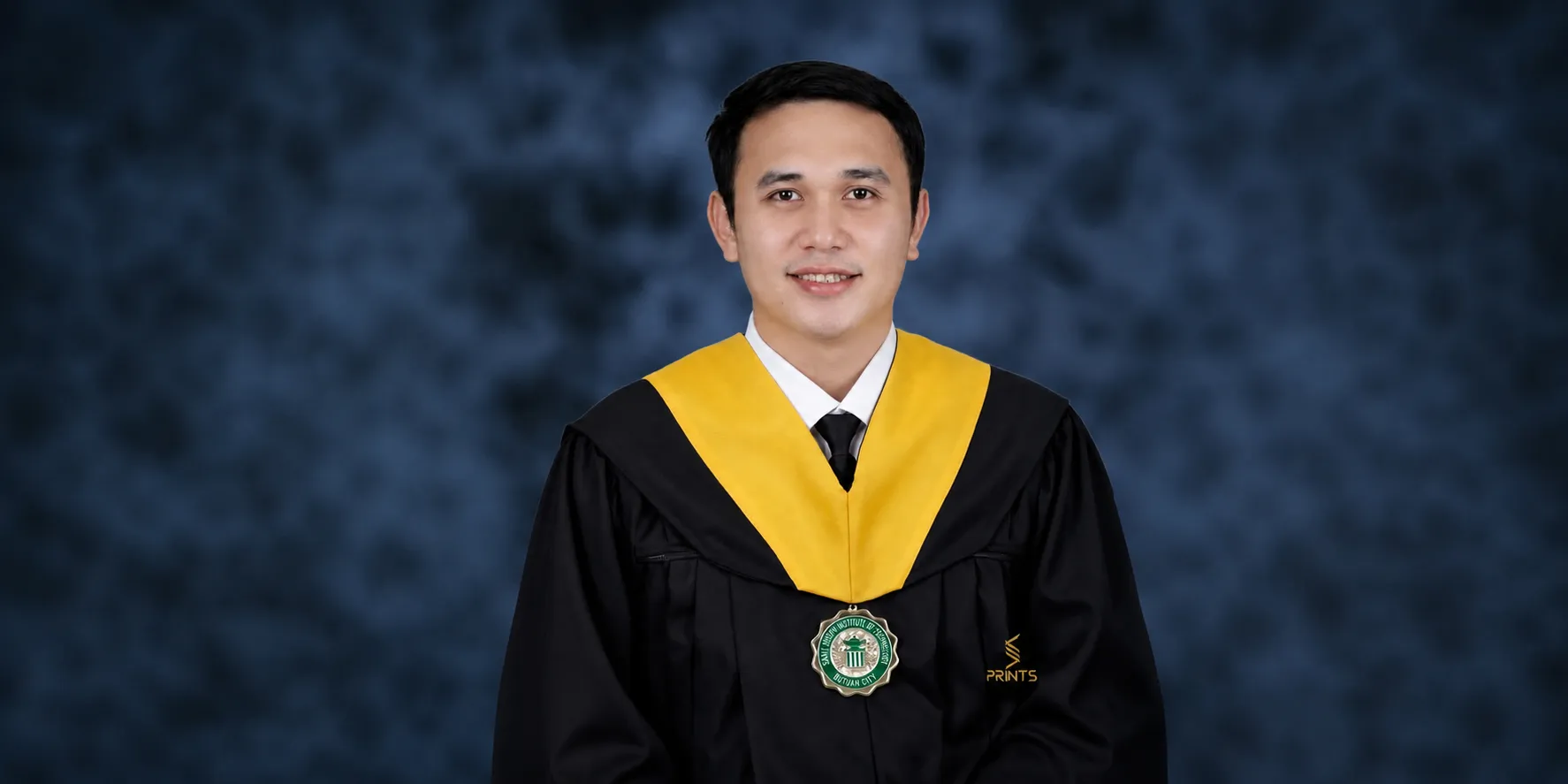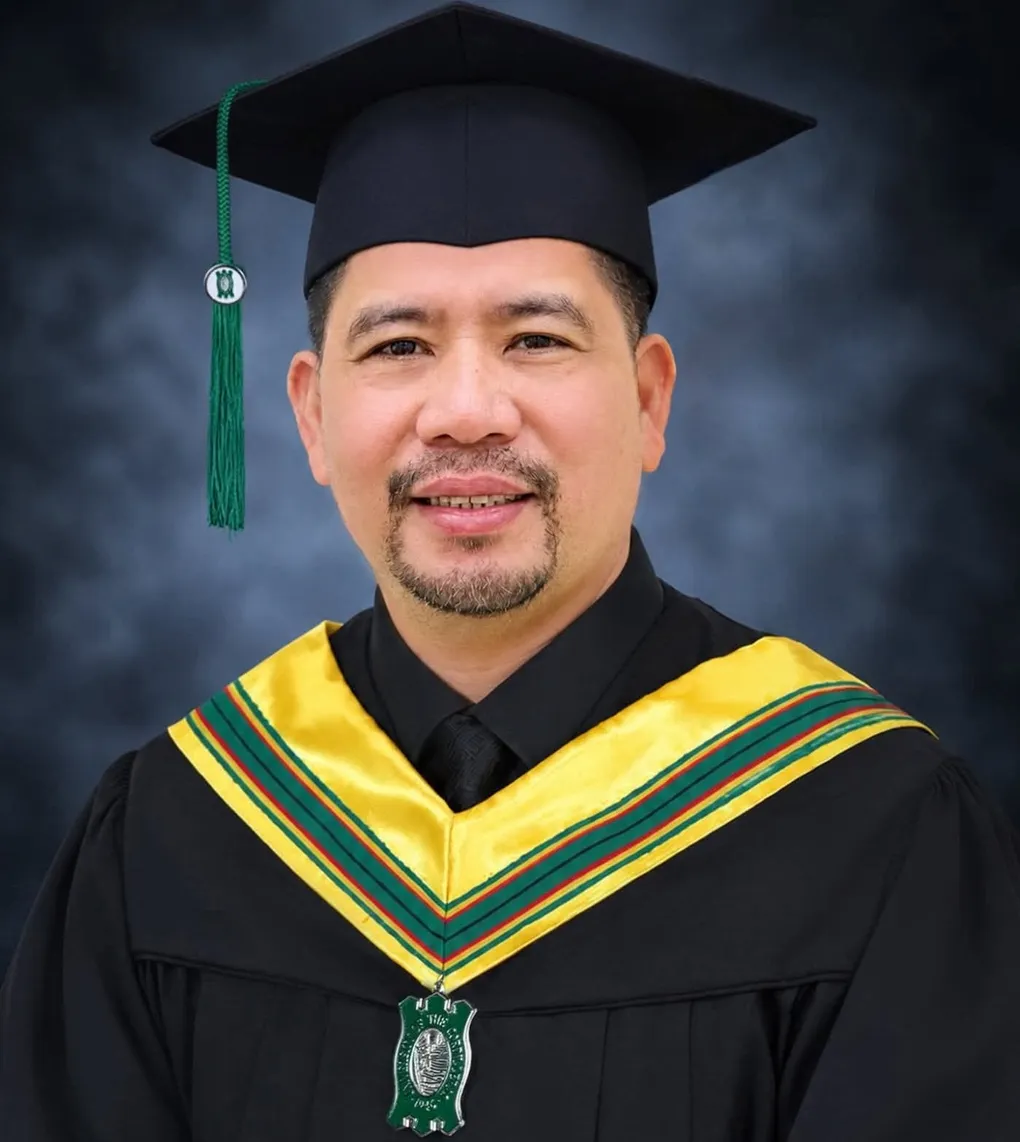
Thousands of Miles from Home: How an OFW in Saudi Arabia Found His Way Back to College
Some dreams don’t die. They just get put on a shelf while life takes over.
For Jerome Tiberio Battung, a Regional Operations Manager at J&T Express KSA LLC in the South Region, that shelf was in Khamis Mushayt, Kingdom of Saudi Arabia. Like countless overseas Filipino workers, he had a job to do, a family to support, and a long list of reasons why going back to school would have to wait. Then he learned that his years of work could count toward a college degree. This is his story, told in his own words and ours.
- The dream so many OFWs quietly set aside
- An orientation that made the whole process clear
- Sending the paperwork without leaving Saudi Arabia
- No tuition top-up and what that meant for him
- What the law says about Filipinos working abroad
- Questions worth asking before you follow a similar path
- A message for every OFW still wondering
The dream so many OFWs quietly set aside
Working abroad asks a lot. Long shifts, time zones that don’t match your family’s, and the constant pull of responsibilities back home. Adding a university schedule to that mix can feel absurd.
Jerome felt it too. Earning a degree was something he believed he had to set aside while he worked hard for his loved ones. Being so far from the Philippines made the idea of returning to school seem, in his words, impossible.
That sense of “maybe someday” is more common than most people admit. The good news is that the Expanded Tertiary Education Equivalency and Accreditation Program was built for people exactly like him, professionals who have learned a great deal on the job and want that learning formally recognized. If you are an overseas worker wondering where to begin, our page for OFWs is a good place to get your bearings.
An orientation that made the whole process clear
What changed things for Jerome was not a sudden burst of free time. It was clarity.
His journey began with an orientation that walked him through the entire ETEEAP process. He learned what happens inside the university and what happens outside it, which documents are required, how coordination works, and what role Aleinde International would play in guiding students at every stage. For someone juggling a demanding job abroad, knowing the road ahead can be the difference between giving up and getting started.
If you want a similar picture before you commit to anything, you can read our ETEEAP guides or check the latest events, where orientations for working Filipinos, including those overseas, are sometimes featured.
Sending the paperwork without leaving Saudi Arabia
Paperwork is where many applicants stall. Birth certificates, employment records, training certificates, a thorough resume. It adds up, and it takes on a different weight when the offices you need are an ocean away.
After his orientation, Jerome submitted his documents to Aleinde International, and the team supported him through the rest. He credits them with help on document authentication and notarial services, followed by the submission of his credentials to the University of the Cordilleras in Baguio City. In his experience, that support made the process smooth, convenient, and manageable.
For a general idea of what applicants are usually asked to prepare, such as proof of age, proof of finishing high school, a record of at least five years of related work, and evidence of training, take a look at our eligibility checklist and our guide to the ETEEAP application form. Requirements can differ from one school to another, so always confirm the final list with the institution you apply to.
No tuition top-up and what that meant for him
Money worries are rarely far from any OFW’s mind, and Jerome was candid about what he appreciated most. He received help from the moment he submitted his documents through to enrollment, and he did not have to pay any tuition fee top-up along the way.
That was his experience, and costs will not look the same for everyone. Fees depend on the school, the program, and the services you choose. If you are comparing numbers, our ETEEAP cost breakdown explains why the figures you see online can vary so widely.
What the law says about Filipinos working abroad
Jerome’s path is not a loophole. It sits inside a framework Congress made permanent.
Republic Act No. 12124 institutionalized ETEEAP and states that Filipino citizens may apply whether they live in the Philippines or abroad. The basic requirements are being at least 23 years old, having completed secondary school or an equivalent assessment, and having at least five years of work experience in the industry related to the degree sought. The law also protects overseas Filipinos by stating that nothing in it should reduce benefits or assistance they already receive under other laws.
The implementing rules go a step further on how learning can be delivered. Schools are encouraged to adopt flexible learning modalities, and candidates may be offered e-learning, mobile learning, or blended options for any enrichment work, even while outside the school’s physical location. Institutions using open distance learning must secure a separate authority from CHED first, which is one more reason to verify a school before you pay it anything.
Questions worth asking before you follow a similar path
A friendly, helpful guide is great. A verified school is non-negotiable.
Only institutions deputized by the Commission on Higher Education can award degrees through ETEEAP. Before you submit documents or money to any school or intermediary, ask yourself a few things. Is the university on the list of accredited schools? Does it offer the specific program you want? Who exactly is handling your documents, and what are they charging for? Our advisory on unauthorized institutions offering ETEEAP programs is worth reading before you decide.
Keep in mind that ETEEAP.PH is an informational site. We share Jerome’s account as he told it, and we do not process applications or endorse any particular service provider. Always confirm details directly with the university and CHED.
A message for every OFW still wondering
Jerome closes his story with a message for fellow overseas workers who are still dreaming of a college degree: it is never too late. In his words, he went from a dream set aside to a dream fulfilled, and he believes the same is possible for others who are willing to take the first step, even from thousands of miles away.
Congratulations, Jerome. Your dream was worth pursuing, and your story reminds us that distance is only one part of the equation. Knowing the process, preparing your documents, and choosing a legitimate school do the rest.
If his journey sounds familiar, you may also enjoy other inspiring accounts on our success stories page.
Ready to see where you stand? Start with our quick eligibility check, browse ETEEAP programs that match your work experience, and then explore the accredited schools directory. Your experience already counts for something. Let’s turn it into a degree.
Photo credit: Jerome Tiberio Battung