Kaya Ko Pala, Work + Aral: Mico Molina's ETEEAP Journey to a BS Industrial Technology Degree at PSU Lingayen
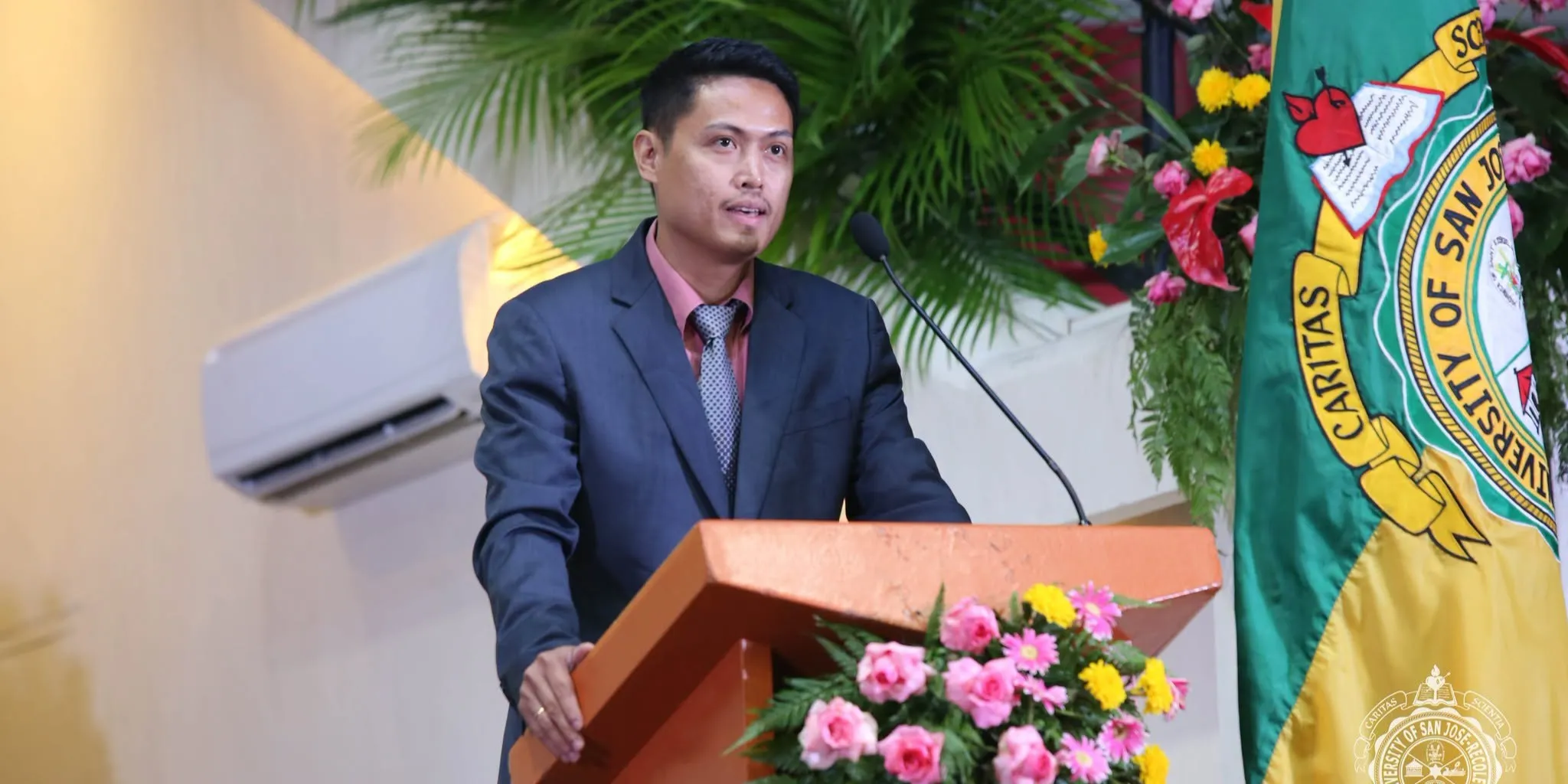
Only working students know the unique kind of exhaustion that comes with balancing a job and a degree. It is the tiredness of clocking out of a government office, going home, and still opening a module or a reviewer before bed, night after night, for years. Mico G. Molina knows that tiredness well. He also now knows what it feels like on the other side of it, wearing a sablay and holding a diploma that says Bachelor of Science in Industrial Technology, Major in Electrical Technology, from Pangasinan State University, Lingayen Campus, Class of 2026.
His graduation post opened with a line that has since struck a chord with a lot of Filipinos juggling the same load: “Kaya ko pala, work + aral.” It sounds simple, almost like a caption you would scroll past. But behind it sits five years of aggregate work experience, a full-time job at the Alaminos City local government, a supportive but far from easy family situation, and a degree earned through the Expanded Tertiary Education Equivalency and Accreditation Program, better known as ETEEAP.
Jump to a section
- A sablay earned after years of both work and study
- The family that carried him through it
- Serving Alaminos City while finishing a degree
- Why an Electrical Technology degree through ETEEAP matters
- If Mico’s story sounds like yours
A sablay earned after years of both work and study
Mico did not frame his graduation as a solo victory, and that is worth noticing right away. He opened his message by thanking God first, describing days that were exhausting, uncertain, and overwhelming, the kind of days most working students will recognize instantly. Anyone who has tried to study after a full shift knows that motivation runs out fast. What usually gets a person through is something quieter than motivation. Faith, in his case, along with a decision to keep showing up even on the nights when quitting felt easier.
That persistence is really the entire premise of ETEEAP. The program does not ask a working adult to walk away from their job and restart four years of lectures from zero. Instead, it evaluates the knowledge, skills, and competencies a person has already built through actual work, training, and life experience, and converts that into academic credit toward a real, CHED-recognized bachelor’s degree. Mico’s diploma from Pangasinan State University did not appear out of nowhere. It was assembled, credit by credit, out of years he had already lived through.
The family that carried him through it
Mico was specific about who stood behind him, and it reads like a small map of what it actually takes to finish a degree while working full-time. He named his Mama, his Ate Joy, and his Kuya Jay, describing every sacrifice they made and every prayer they whispered on his behalf. He called the diploma something that belongs to all of them, not just to him.
That sentiment shows up again and again in ETEEAP graduate stories, and for good reason. A working student’s schedule does not just affect the student. It reshapes the household around them. Someone else absorbs chores that used to be shared. Someone else covers for missed family time on a Sunday that got eaten up by an assignment. Mico’s gratitude toward his family is not a formality tacked onto a graduation post. It is an honest accounting of who paid the hidden costs of his degree alongside him.
He also thanked his friends for the laughter, the late-night conversations, and the gentle nudges to keep going whenever the weight of it all got heavy. Small things, maybe, but the kind of small things that quietly decide whether someone finishes or gives up.
Serving Alaminos City while finishing a degree
One detail in Mico’s story stands out from a lot of other ETEEAP journeys: he was studying while actively serving in local government. He expressed his gratitude to his Alaminos City family, the Congressional Office, Cong. Arthur Celeste, Mayor Arth Bryan Celeste, and the City Information Office, crediting them for giving him room to grow both as a professional and as a person while he pursued his degree.
Working in public service while studying is its own particular balancing act. Government offices run on deadlines, public accountability, and unpredictable days, which leaves little room for a rigid study schedule. Mico’s message suggests that understanding from his workplace made a real difference, the kind of flexibility that lets someone attend an assessment interview or submit portfolio requirements without jeopardizing their job. That is exactly the kind of employer support that tends to separate a working student who finishes from one who has to pause indefinitely.
Why an Electrical Technology degree through ETEEAP matters
A degree earned through ETEEAP carries the same weight, on paper and in practice, as one earned the traditional way. Under the program’s implementing rules, graduates of ETEEAP are qualified to sit for the appropriate licensure examination in their field, unless a specific law says otherwise for that profession. For someone with a technical background in electrical work, that opens doors that were previously closed simply because a diploma was missing, whether that means formal licensure, eligibility for supervisory roles, or simply the confidence of holding credentials that match years of hands-on experience.
Mico’s degree is not a shortcut around his years in the field. It is the paperwork finally catching up to skills he had already been using on the job, now backed by a bachelor’s degree from an accredited state university.
If Mico’s story sounds like yours
If you are reading this while mentally comparing your own situation to Mico’s, a full-time job, years of relevant experience, a family counting on you, that comparison is exactly the point of this program. ETEEAP was built for people who cannot simply walk away from work to sit in a classroom for four straight years, and it exists precisely because the government recognizes that real competence is not only built inside a lecture hall.
You can check the basic requirements in more detail through our eligibility and requirements guide, which breaks down the age, citizenship, and work experience rules straight from Republic Act No. 12124 and its implementing rules. If balancing a full-time job with coursework already feels overwhelming just thinking about it, our guide on pagsabayin ang trabaho at pag-aaral has practical, honest tips for working students trying to make that schedule actually stick. And when you are ready to see which schools near you can help you get started, our accredited schools directory lists CHED-deputized institutions across the country.
Congratulations to Mico G. Molina, ETEEAP graduate of Pangasinan State University, Lingayen Campus, Class of 2026. His years of work, his late nights, and his quiet decision to keep going are now, officially, a degree. If his story moved you, browse more journeys like his in our Success Stories section, or find out whether your own work experience already qualifies by visiting Get Started today.
Photo Credit: Mico Molina