New PUP Open University Building Expands Access to Flexible Learning
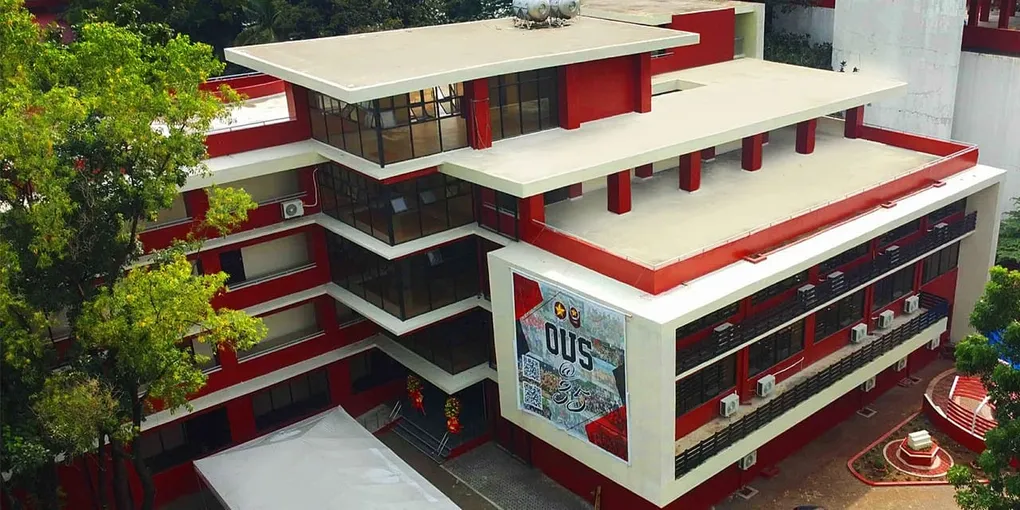
If you have ever told yourself that going back to school just is not realistic with your work schedule, here is a bit of good news from Manila. The Polytechnic University of the Philippines (PUP) just finished a brand new four-story building dedicated entirely to its Open University System, and it is meant for exactly the kind of learner who cannot sit in a classroom from eight to five.
Jump to a section:
- What was inspected and why it matters
- Who stands to benefit
- Why this connects to ETEEAP
- The bigger picture
What was inspected and why it matters
On Wednesday, officials from the Department of Budget and Management, led by Acting Secretary Kim Robert de Leon, visited the PUP Open University System campus in Sta. Mesa to check on the progress of the project. The visit was not just a photo opportunity. It was part of DBM’s ongoing effort to make sure that public funds actually turn into something Filipinos can use.
The facility cost around PHP185 million, and according to the DBM, it was built to serve as a modern hub for PUP’s open and distance education programs. That is a fairly significant investment, and the agency wanted to confirm that the money translated into a real, usable space rather than just numbers on a budget sheet.
De Leon put it simply. He said that through every completed project and every classroom built, the government proves that the budget is not merely numbers on paper, but concrete service, real opportunity, and a better future for students. He also added that citizens should be able to see and feel where their taxes go, and that this building is proof that a properly planned and implemented budget becomes a real investment in people’s futures.
Who stands to benefit
The DBM noted that the new building will strengthen PUP’s capacity to offer both degree and non-degree programs to a wide range of learners. Working professionals, teachers, out-of-school youth, and anyone juggling financial, geographical, or time constraints are all part of the target group.
PUP’s Open University System has been around for years as an alternative route to higher education, designed for people who need flexibility more than they need a fixed schedule. A bigger, more modern facility means more classrooms, more support services, and presumably more room to grow enrollment in flexible and distance learning tracks.
Why this connects to ETEEAP
Here is where things get interesting for anyone exploring the Expanded Tertiary Education Equivalency and Accreditation Program. ETEEAP and open university systems share the same basic philosophy: education should fit around your life, not the other way around. While ETEEAP is specifically about earning academic credit through your work experience and prior learning, both pathways exist because the traditional four-year, on-campus model simply does not work for a huge number of Filipinos.
If you are someone who has been weighing your options, whether that means applying through ETEEAP at a CHED-deputized school or considering an open university route, developments like this matter. More infrastructure for flexible learning generally signals that institutions and the government are putting real resources behind alternative education pathways, not just paying lip service to the idea.
For those specifically interested in turning years of work experience into a recognized college degree, you can check the basic qualifications and required documents in our eligibility guide, or browse a list of schools currently authorized to run the program through our accredited schools directory.
The bigger picture
De Leon also tied the project back to broader national priorities, saying students must be at the center, citizens must be at the center, and the country must benefit. He framed quality education as an investment rather than an expense, which is a sentiment that lines up well with why programs like ETEEAP and PUP’s Open University System exist in the first place: to make sure that opportunity is not limited to people who had the luxury of finishing school on the traditional timeline.
Projects like this new building will not directly change ETEEAP requirements or processes, but they are a useful reminder that the push toward more flexible, accessible higher education in the Philippines is ongoing and, at least in this case, backed by completed infrastructure.
Curious whether your years of work experience could translate into a college degree? Head over to our ETEEAP overview to understand how the program works, or jump straight to our Get Started page to see if you qualify.