From Factory Floor to Diploma: What Marcos's LIMA Estate Visit Means for ETEEAP Applicants
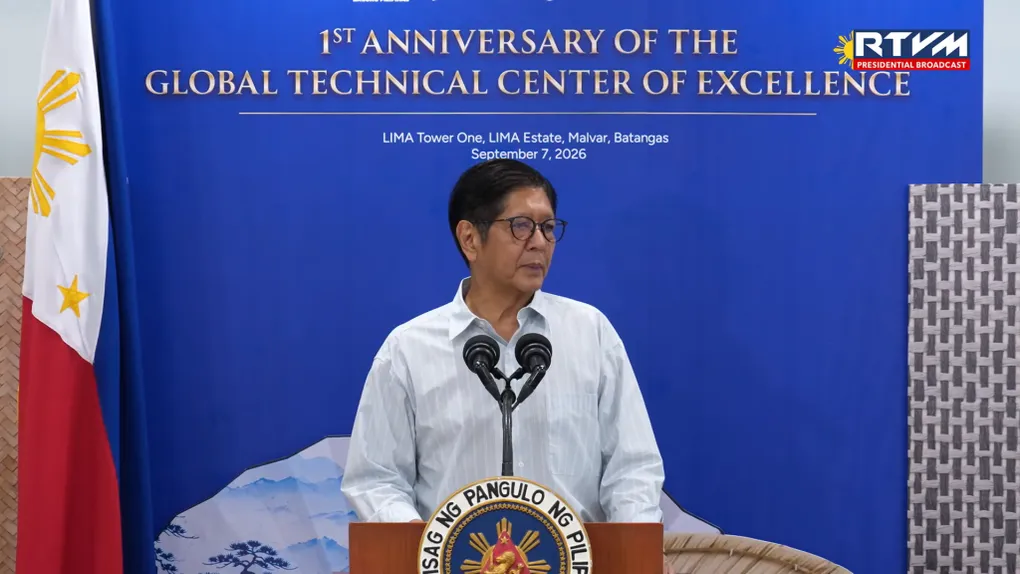
A factory floor, a tower full of companies, and a university campus sharing the same estate. That was the scene when President Ferdinand R. Marcos Jr. visited the Lipa-Malvar (LIMA) Estate in Batangas on Monday, and it made a quiet but pointed argument: when schools and industry sit side by side, opportunities tend to follow.
The visit was part of the first anniversary celebration of the JERA-Aboitiz Power Global Technical Center of Excellence (GTCOE). Inside LIMA Tower One, the President went on a guided tour of facilities that support thousands of jobs and house hundreds of companies. Then he turned to something that matters a great deal to anyone reading this site: how the country trains its people, and how it recognizes what they already know.
Here is what he said, what it means, and why working professionals without a degree should pay attention.
Jump to a section
- A Tour of the 1,100-Hectare LIMA Estate
- The Numbers Behind the Push
- Why Batangas State University Stands Out
- What the GTCOE Shows About Partnerships
- How ETEEAP Fits Into the Bigger Picture
- What Working Professionals Can Do Now
A Tour of the 1,100-Hectare LIMA Estate
The LIMA Estate covers 1,100 hectares, and the President used the visit to stress how industrial estates can drive regional growth. It is easy to see why. Hundreds of companies operate there, thousands of workers earn a living there, and a university campus sits right in the middle of it all.
That campus belongs to Batangas State University (BSU). It offers 10 undergraduate engineering programs and eight graduate programs, plus industry micro-credential programs for people who want to upskill, earn certifications, or prepare for a new line of work. A student does not have to leave the industry to find the classroom. The classroom is already there.
The Numbers Behind the Push
Speaking at the BSU LIMA Campus and the GTCOE, President Marcos listed what his administration has done to align education and training with the skills priority sectors actually need. A few figures stood out.
From July 2022 to May 2026, stakeholders registered more than 700 micro-credential competency programs. That is over 200 percent of the target set for June 2028. In the same period, nearly five million technical-vocational education and training (TVET) graduates were assessed. The country also grew its pool of TVET assessors from over 13,500 in July 2022 to 16,640 as of May 2026.
Then there is the Enterprise-based Education and Training Program. As of April 2026, nearly 3,820 beneficiaries have enrolled. The President said the initiative gives them hands-on experience in real industry settings and improves their chances of employment. His broader message was simple: “Our accomplishments remind us of what is possible when we give our people the skills and the opportunities that they need.”
Why Batangas State University Stands Out
Plenty of campuses talk about industry links. Few are built inside the industry itself. The President noted that BSU plays a crucial role in bringing education and training closer to what employers need.
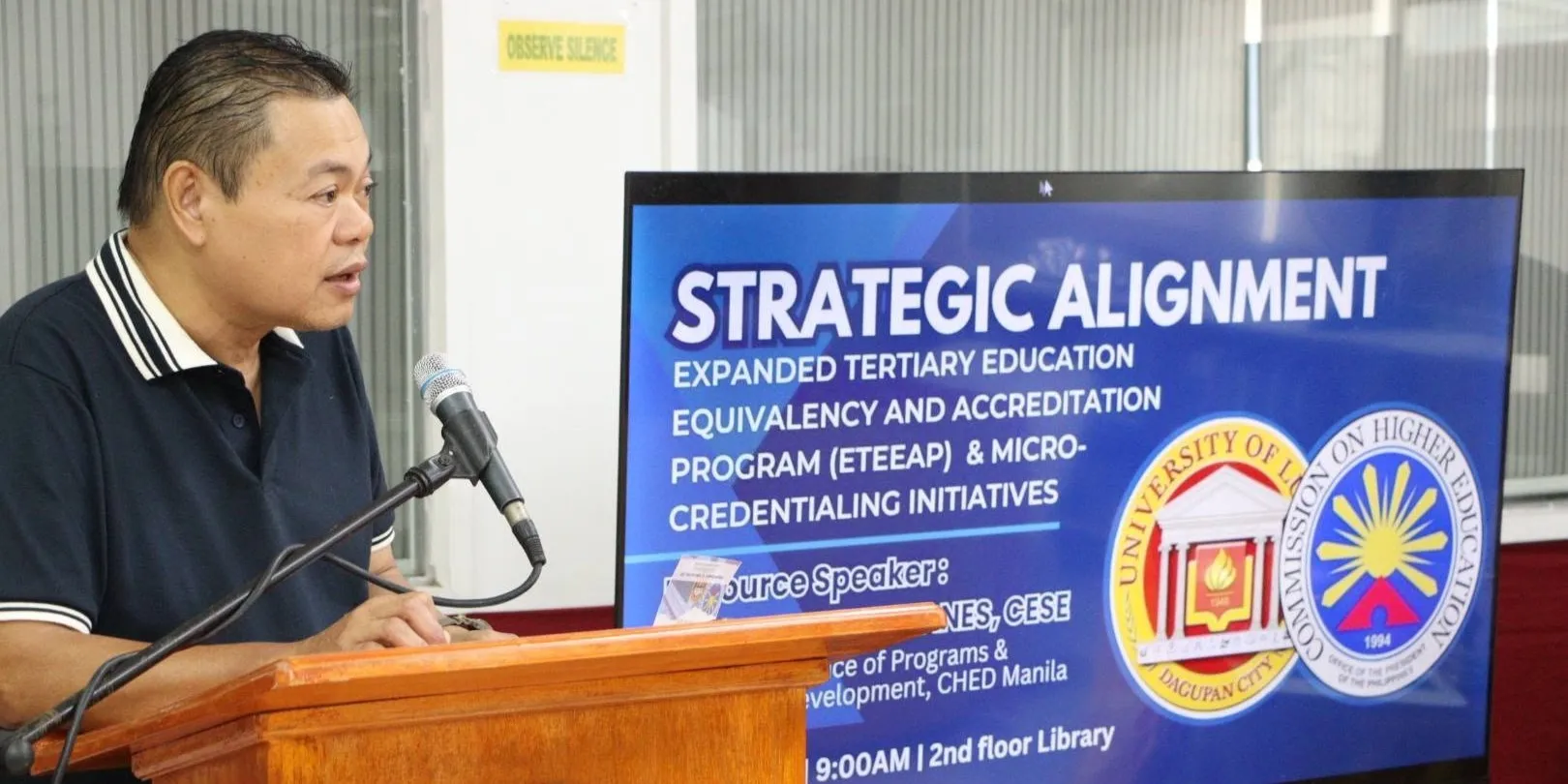
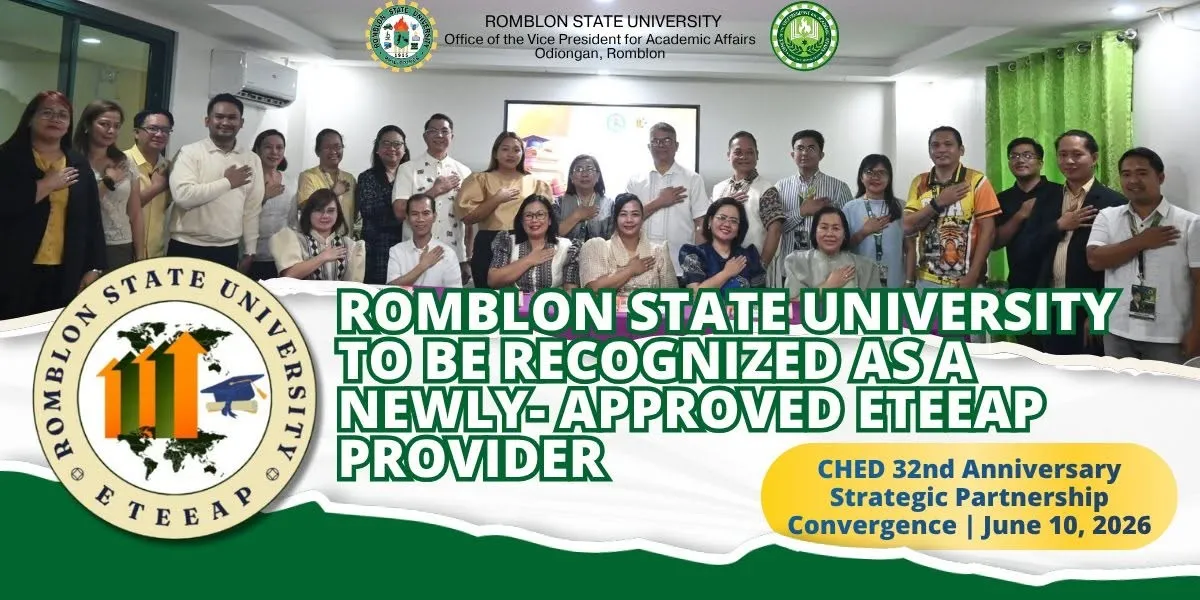
One piece of that story deserves a closer look. BSU holds accreditation under the Expanded Tertiary Education Equivalency and Accreditation Program for engineering and industrial technology-related courses. In practice, that gives working professionals a pathway to a college degree by recognizing their prior learning and industry experience. If you have spent years on a plant floor, in a power facility, or in a technical team without ever finishing a degree, that sentence is written for you.
For a broader look at how the program works from start to finish, the ETEEAP overview is a good place to begin.
What the GTCOE Shows About Partnerships
The Global Technical Center of Excellence is the other half of the story. According to the President, it is a strong example of what partnerships can achieve. The center is a fruit of the collaboration between JERA Company Inc. and AboitizPower, and it works as a platform for technical training and knowledge-sharing in the power sector.
Its aim is to develop professionals with strong technical expertise, but also leadership, adaptability, and interpersonal skills. That mix matters. Employers rarely hire for technical ability alone, and the same is true of the assessors who review ETEEAP portfolios. Skill is the foundation, but the ability to lead, adapt, and communicate is what shows up in a panel interview.
How ETEEAP Fits Into the Bigger Picture
ETEEAP is not new, but it is now on firmer ground. The program began under Executive Order No. 330 in 1996 and was institutionalized by Republic Act No. 12124, which was approved on March 3, 2025. The law defines it as a comprehensive alternative learning program that recognizes prior learning from formal, non-formal, and informal sources, as well as relevant work experience.
The basic requirements are straightforward. Applicants must be Filipino citizens, at least 23 years old, with a high school diploma or an equivalent placement result, and at least five years of aggregate work experience in the field related to the degree they want. Only higher education institutions deputized by the Commission on Higher Education can implement the program. Those that offer it must assess candidates through tools such as portfolio evaluation, written exams, practical demonstrations, and interviews, then assign equivalency credits and require competency enrichment where gaps exist.
Anyone worried about legitimacy should read the guide on unauthorized institutions offering ETEEAP programs, and check the list of accredited schools before paying a single peso.
What Working Professionals Can Do Now
The President’s speech was about national numbers, but the opportunity is personal. If your work sits in engineering, industrial technology, or a related field, here is a sensible way to move.
Start by checking whether you meet the age, education, and work experience requirements on the eligibility page. Next, look through the available programs and find the one that matches your actual experience, not just the one with the nicest title. Our guide on choosing the right ETEEAP program for your career walks through that decision.
Money is usually the next question. Costs vary widely between schools, so read the ETEEAP fee breakdown before you budget. And if you are wondering whether the degree carries the same weight as a traditional one, the comparison of a regular bachelor’s degree versus ETEEAP answers that directly.
You are also not the only one doing this. More than 39,000 Filipinos have enrolled since 2020, and over 18,700 have graduated, as covered in ETEEAP by the Numbers. Overseas workers have their own route too, which you can explore on the OFWs page.
A small caution before you go. Each deputized school sets its own admission details, fees, and schedules, so confirm everything directly with the school you plan to apply to.
Your years of work already count for something. The next step is getting them recognized on paper. Visit Get Started to see where you stand, then browse more updates in News & Updates to keep up with what is changing for ETEEAP applicants across the country.
Photo screengrab from RTVM/YT