Inside CHED Bicol's ENABLE Seminar: Training a Region to Deliver on ETEEAP and Lifelong Learning
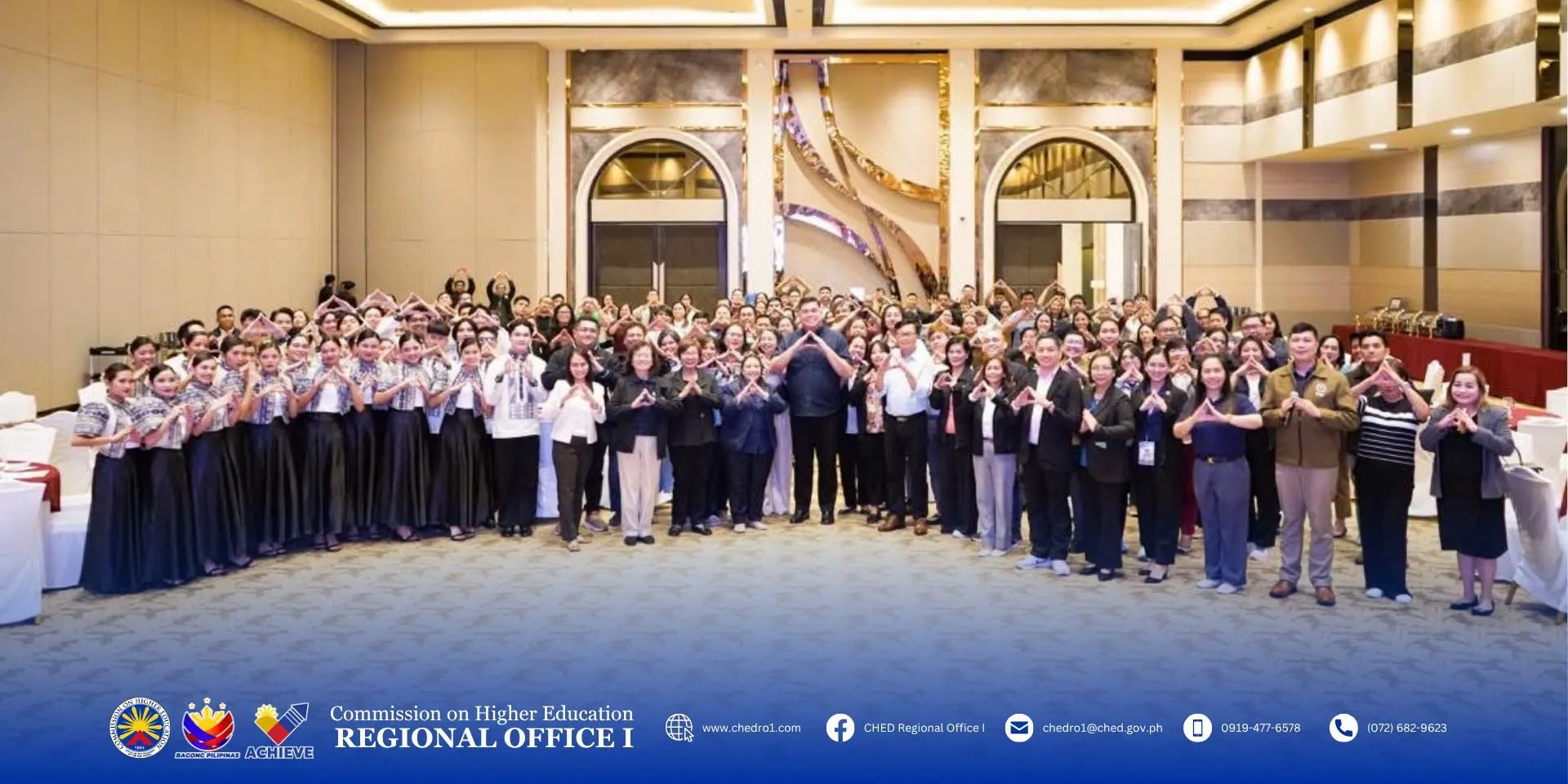
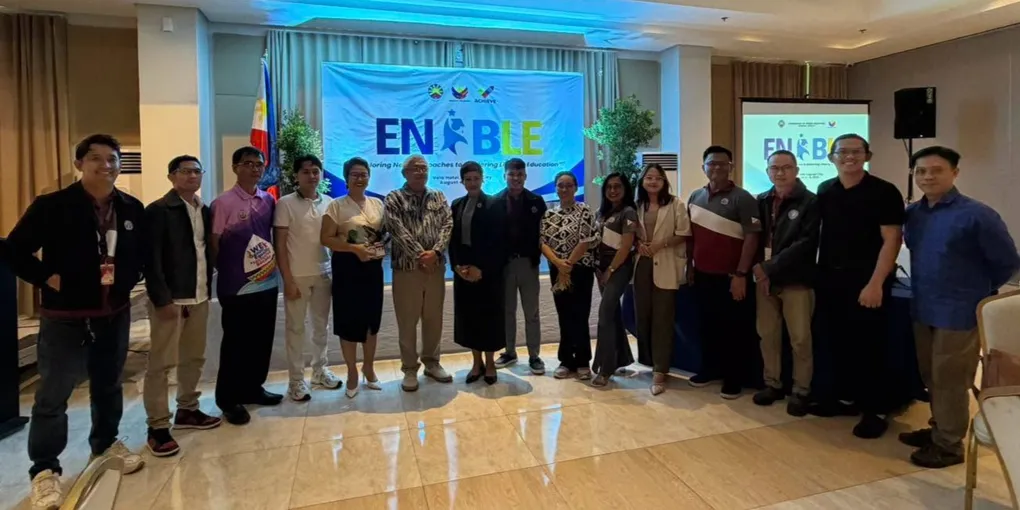
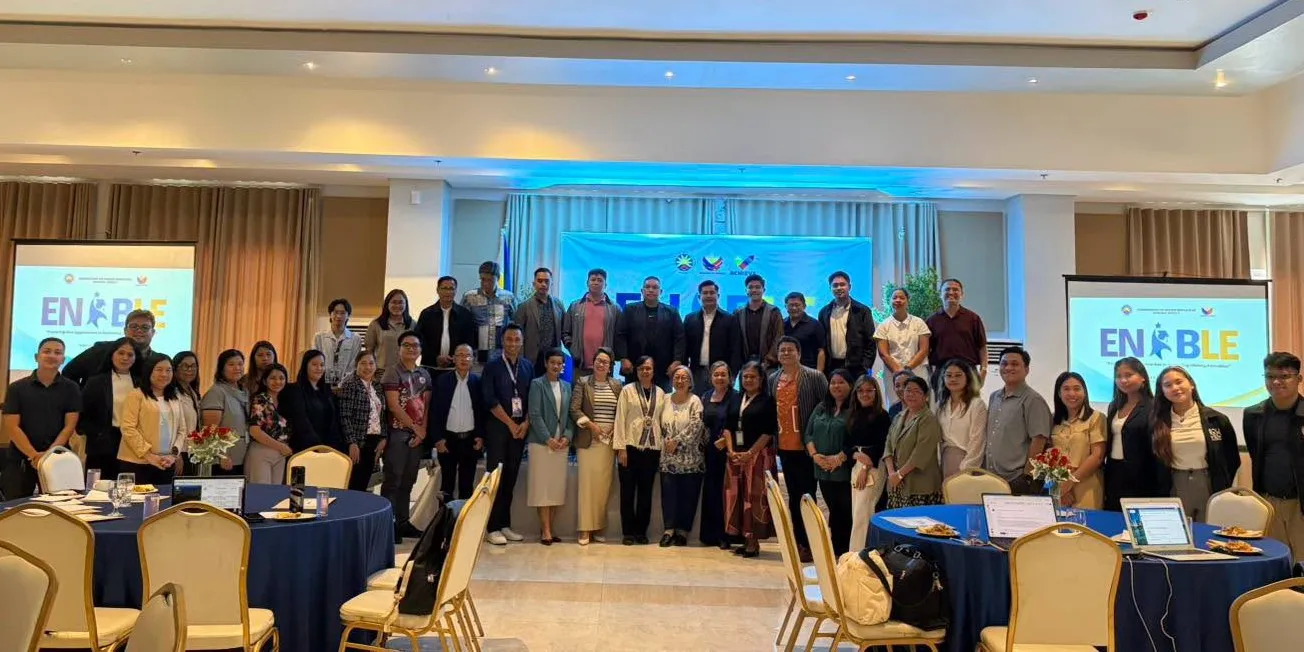
Legazpi City has a new title to live up to. It was recently named a UNESCO City of Lifelong Learning, and this week, the region’s higher education sector is trying to prove that the recognition was earned. On August 4, 2026, the Commission on Higher Education Regional Office V opened a two-day seminar-workshop at Vela Hotel called ENABLE, short for Exploring New Approaches to Bolstering Lifelong Education. It is a mouthful of an acronym for a fairly practical goal: get Bicol’s colleges and universities on the same page about ETEEAP, microcredentials, and how adults actually learn.
Held under the authority of Republic Act No. 7722, the Higher Education Act of 1994, the seminar brought together representatives from Higher Education Institutions across the region for two days of policy briefings, technical sessions, and hands-on workshops. It also produced one of the more memorable ETEEAP testimonials we have come across this year, from a police officer who never expected to be standing in front of a room talking about her degree.
Here is what happened across both days, from the legal groundwork to the closing sessions on andragogy and global competencies.
In This Article
- What ENABLE Is Actually Trying to Do
- RD Anduyan’s Case for Local Leadership on Lifelong Learning
- Dr. Ajihil Walks Bicol’s Schools Through RA 12124 and CMO No. 11
- A PNP Officer’s ETEEAP Story Steals the Room
- Day Two: Andragogy in Action and Building Global Competencies
- What This Means If You’re Weighing ETEEAP Yourself
What ENABLE Is Actually Trying to Do
Seminars for school administrators can sound abstract from the outside, but this one had a fairly concrete agenda. ENABLE was built around three connected topics: the Expanded Tertiary Education Equivalency and Accreditation Program itself, microcredentials, and andragogy, which is really just the formal term for how adults learn differently from teenagers sitting in a lecture hall.
Put those three together and you get a snapshot of where CHED wants regional HEIs to focus their energy. ETEEAP gives working adults a path to a degree based on what they already know how to do. Microcredentials offer smaller, stackable proof of specific skills. Andragogy is the teaching philosophy that should tie both of those together, since an assessor evaluating a forty-year-old supervisor’s portfolio needs a very different approach than a professor grading a nineteen-year-old’s term paper.
None of this is new territory for Bicol’s schools, but ENABLE gave them two full days to compare notes, ask questions directly to a resource speaker, and walk through the mechanics of running these programs well rather than just having the authority to offer them on paper.
RD Anduyan’s Case for Local Leadership on Lifelong Learning
CHED Regional Director Demetrio P. Anduyan opened the seminar with a message that framed lifelong learning as more than an academic checkbox. He argued that it needs focused leadership and sustained institutional attention, not a one-time push, and he pointed to Legazpi City’s UNESCO recognition as proof of what that kind of attention can produce.
“A distinction that reminds us that lifelong learning is not just an educational aspiration but a community-wide commitment. A lifelong learning city is one where learning is available to everyone, not only to the young, not only to those enrolled in universities, but also to workers seeking new opportunities,” RD Anduyan said.
That last phrase, workers seeking new opportunities, is really the whole point of ETEEAP in a sentence. The program exists precisely for people who are already working, already carrying responsibilities at home and on the job, and who need a credential system that meets them where they are instead of asking them to start over.
Dr. Ajihil Walks Bicol’s Schools Through RA 12124 and CMO No. 11
The seminar’s resource speaker traveled a long way to get there. Dr. Bashiruddin A. Ajihil, Director for Lifelong Learning at Universidad de Zamboanga, led sessions on Republic Act No. 12124, the law that institutionalized ETEEAP, and on CHED Memorandum Order No. 11, series of 2025, which spells out how that law is actually implemented on the ground. If your school administrator has been trying to make sense of what changed under the new IRR, our breakdown of CMO No. 11 and what it means for deputized schools covers similar territory, and our earlier explainer on RA 12124 and what it means for working Filipinos is worth a look too.
Dr. Ajihil also spoke on andragogy in practice, tying theory back to the daily reality of running an ETEEAP office. Then came the part that arguably matters most for the region going forward: workshops specifically for internal and external assessors. Under the law, every deputized HEI has to assemble a panel that blends academic experts from within the institution with industry practitioners from outside it, and that panel is the one making the actual call on how much a candidate’s work experience is worth in academic credit. Getting those assessors calibrated and confident is not a small detail. It is the difference between a credible accreditation process and one that just goes through the motions. CHED has been investing in this kind of assessor training elsewhere too, including a recent executive program for Assessors of Prior Learning run with UP Open University, so Bicol’s workshop fits a broader pattern rather than a one-off event.
A PNP Officer’s ETEEAP Story Steals the Room
Policy sessions can only carry an audience so far, and it was a personal story that gave ENABLE its most human moment. Malu C. Calubaquib, Public Information Officer for the Philippine National Police Regional Office V, took the floor to talk about her own path through ETEEAP. She graduated from the University of Saint Anthony in Naga, where the program recognized her years of professional experience and translated them into a college degree.
She did not hide how much the moment meant to her, or to her fellow officers who went through the same program. “Napakalaki pong ‘orgulyo’ para po sa amin na mga ETEEAP graduates sa USANT kasi most of my classmates are Chiefs of Police and now 28 years na ako sa PNP and hindi ko po inaasahan na makarating po ako rito,” she shared.
It is worth sitting with that for a second. Nearly three decades in the police force, colleagues who had risen to Chief of Police without ever finishing a diploma, and a program that finally closed that gap for an entire cohort of officers at once. Stories like hers are exactly why ETEEAP exists, and why CHED keeps bringing graduates like her into rooms full of school administrators. It is one thing to explain a competency framework on a slide. It is another to hear directly from someone whose career it actually changed.
Day Two: Andragogy in Action and Building Global Competencies
Day one covered the legal foundation and the emotional case for the program. Day two, held on August 5, 2026, turned to the practical follow-through, and it delivered. Participants from HEIs across Bicol spent the day being capacitated on the tools, techniques, and strategies behind effective lifelong learning, moving the conversation from why the program matters to how to actually run it well back on campus.
Two resource speakers led the day: Dr. Lorna M. Miña and Dr. Trixie Marie Sison. Between them, they walked participants through the practical application of andragogy, the same adult-learning principles introduced on day one, and into strategies for advancing lifelong learning and fostering global competencies among learners. That last piece matters more than it might sound. Bicol’s HEIs are not just trying to help ETEEAP candidates finish a degree domestically. They are being pushed to think about whether that degree, and the skills behind it, can hold up against international standards too, which ties directly into the kind of stackable, competency-based credentialing that microcredentials are built around.
Taken together, the two days moved participants from legal grounding to hands-on capability. Day one gave them the why, through RA 12124, CMO No. 11, and a graduate’s own testimony. Day two gave them the how, through concrete tools for applying andragogy and building the kind of globally competitive competencies CHED wants Filipino graduates to carry. That mirrors a broader shift CHED has been pushing nationally, from treating ETEEAP as a standalone accreditation mechanism to weaving it into a wider lifelong learning agenda that also includes flexible learning modalities and stackable credentials.
What This Means If You’re Weighing ETEEAP Yourself
If you are based in Bicol and have been sitting on the idea of finishing a degree through your work experience, this seminar is a good sign rather than background noise. It means the schools in your region are actively investing in the people who will eventually sit on your assessment panel, and it means the regional office is treating the program as a priority worth two full days of an administrator’s calendar.
The basic qualifications have not changed. You still need to be a Filipino citizen, at least 23 years old, a high school graduate or equivalent, and someone with at least five years of aggregate work experience related to the degree you are pursuing. You can double check where you stand on our eligibility page, and if you want to see which schools in your area are authorized to run the program, our directory of accredited schools is a good place to start looking.
PIO Calubaquib’s story is proof that the paperwork eventually turns into something real: a diploma, a promotion, a room full of colleagues who understand exactly what it took to get there.
Ready to see how far your own work experience could take you? Take a few minutes to check your ETEEAP eligibility, and keep visiting our news and updates page for more coverage of what CHED’s regional offices are doing to expand access to the program across the Philippines.