ETEEAP Meets the SDGs: Negros Island Schools Gather in Bacolod to Rethink Tourism, Hospitality, and Business Education
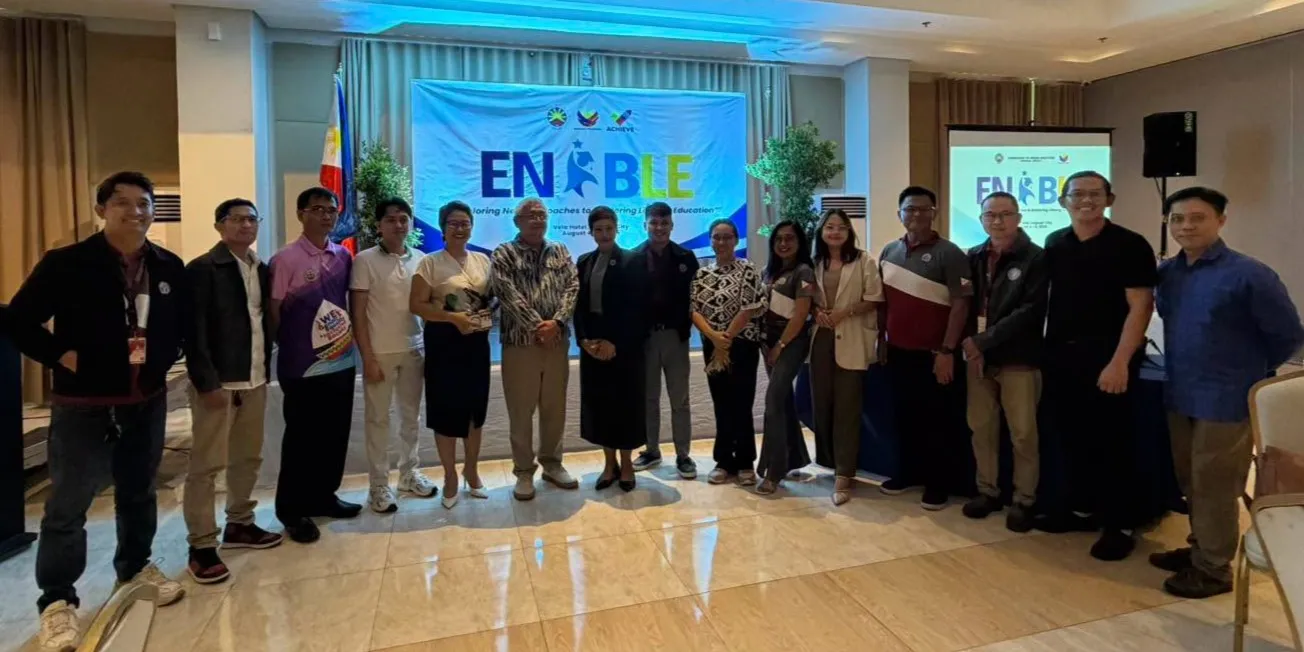
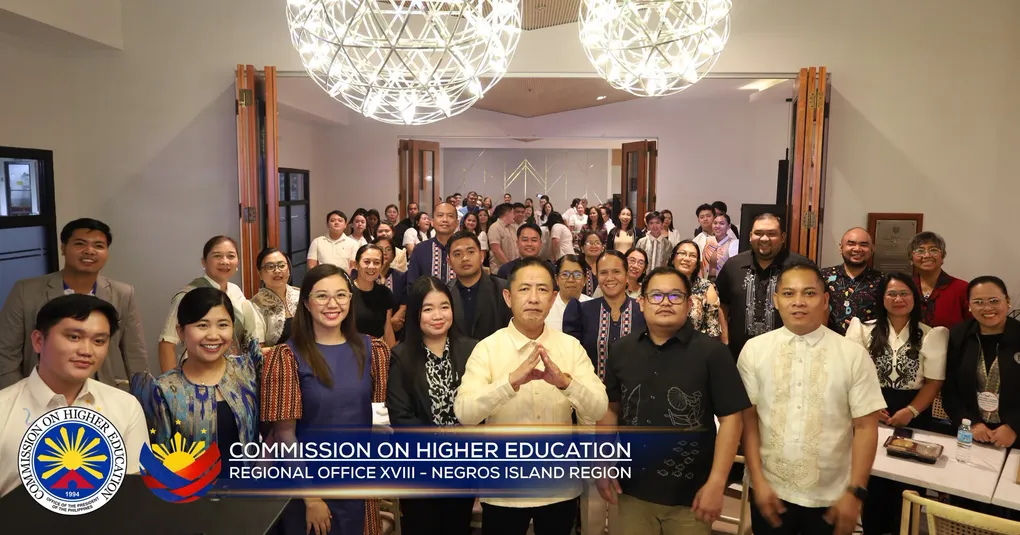
Bacolod City had a full house of educators this month, and the agenda wasn’t the usual mix of enrollment targets and accreditation paperwork. On August 3, 2026, the Violeta Yu Tourism and Hospitality Hall at the University of St. La Salle (USLS) hosted the Transforming Higher Education Forum: ETEEAP and SDG Curriculum Innovation for Hospitality and Tourism Management, and Business Programs. University officials, program chairs, and International Relations Officers (IROs) from higher education institutions across the Negros Island Region filled the hall to talk about two things that don’t usually share the same stage: how schools actually run the Expanded Tertiary Education Equivalency and Accreditation Program (ETEEAP), and how they can rebuild their curricula around the United Nations Sustainable Development Goals (SDGs).
It’s an unusual pairing on paper, but it makes a lot of sense once you look at who these programs are meant to serve. Hospitality, tourism, and business are fields where real-world experience often outpaces the classroom, and they’re also industries under growing pressure to operate sustainably. Putting ETEEAP and the SDGs in the same conversation was less a coincidence and more a signal of where Philippine higher education is heading.
In This Article
- Why This Forum Landed in Bacolod
- Getting Everyone on the Same Page About ETEEAP
- Where the SDGs Fit Into a Tourism or Business Classroom
- Why Negros Island’s Tourism Economy Makes This Timely
- What It Could Mean If You’re Eyeing an ETEEAP Degree in Hospitality or Tourism
- The Bigger Picture
Why This Forum Landed in Bacolod
Choosing USLS’s Tourism and Hospitality Hall as the venue wasn’t just a logistics decision. It put the conversation literally inside a space built for hospitality education, surrounded by the people who train the region’s future hotel managers, tour guides, and business majors. Gathering program chairs and IROs from across the island, rather than just from one campus, also mattered. ETEEAP only works when individual schools apply it consistently and credibly, and consistency is hard to build when every institution is left to interpret the rules on its own.
That’s really what a forum like this is for. It’s not a single school announcing a new offering. It’s a shared moment where an entire region’s higher education sector compares notes, asks the awkward implementation questions out loud, and leaves with a clearer picture of what a well-run program actually looks like.
Getting Everyone on the Same Page About ETEEAP
A large part of the day was devoted to the ETEEAP framework itself: how the implementation process works, what accreditation requires, and the institutional practices that separate a program that merely exists on paper from one that genuinely serves working professionals. That level of detail matters more than it might seem. Under the law that institutionalized the program, the Expanded Tertiary Education Equivalency and Accreditation Program isn’t a shortcut to a diploma. It’s a formal equivalency process where a panel of internal and external assessors evaluates a candidate’s work experience, training, and portfolio against the actual learning outcomes of a degree program, then awards academic credit based on what that evaluation turns up.
For a school to offer ETEEAP in the first place, it has to be deputized by the Commission on Higher Education for that specific program, not just authorized in general. State universities need at least a Level II rating and a Certificate of Program Compliance. Local universities and colleges need equivalent institutional recognition plus that same certificate. Private schools need autonomous or deregulated status. None of that happens automatically, which is exactly why sessions like this one, where program chairs walk through accreditation requirements together, tend to matter more than they get credit for.
Negros Island already has some groundwork here. In Bacolod itself, La Consolacion College - Bacolod holds ETEEAP deputization for Hospitality Management, while the University of Negros Occidental - Recoletos offers it for Business Administration. Those two programs sit right in the middle of what this forum was built to discuss, and their presence in the same city as USLS is a useful reminder that the region isn’t starting from zero. You can browse the full list of authorized schools and the specific degrees they’re deputized to offer on our accredited schools directory and our programs directory.
Where the SDGs Fit Into a Tourism or Business Classroom
The second half of the forum turned to something less procedural and more forward-looking: folding the Sustainable Development Goals into the curricula of Hospitality Management, Tourism Management, and Business programs. It’s easy to treat the SDGs as a poster on a wall somewhere, but for these particular disciplines, the connection is direct rather than symbolic. Tourism operations touch on responsible consumption of local resources. Hospitality businesses are, at their core, employers, which ties straight into decent work and inclusive economic growth. Business programs that train future managers are effectively shaping how the next generation of companies treats their workers, their communities, and their environmental footprint.
Rethinking curriculum design around those principles is a bigger task than swapping out a few textbooks. It means asking whether a tourism management syllabus prepares students to think about a destination’s carrying capacity, or whether a hospitality program teaches supply chain choices alongside guest service standards. Participants at the forum were encouraged to hold their programs up against that kind of question, aligning what’s taught in the classroom with emerging industry needs and the demands of a genuinely globally connected marketplace.
Why Negros Island’s Tourism Economy Makes This Timely
Negros Island has spent years building a reputation well beyond sugar, with Bacolod and Dumaguete both carrying real weight in the country’s tourism, hospitality, and culinary scenes. That growth has created plenty of jobs, but a lot of the people running front desks, managing kitchens, and coordinating tour groups got there through years on the job rather than through a four-year degree. That’s precisely the gap ETEEAP was designed to close, and it’s a big part of why hospitality and tourism management keep showing up so often in ETEEAP program listings across the country.
Layer the SDG conversation on top of that, and the timing makes even more sense. As the region’s tourism sector matures, the professionals leading it are increasingly expected to think about sustainability, not just occupancy rates. A curriculum that reflects that shift, and an accreditation pathway that recognizes the experience workers already have, reinforce each other rather well.
What It Could Mean If You’re Eyeing an ETEEAP Degree in Hospitality or Tourism
If you’ve spent years working in a hotel, resort, travel agency, or business office on Negros Island without ever finishing a degree, forums like this one are worth paying attention to. They’re a sign that the schools around you are actively refining how they run their programs and rethinking what they teach, rather than leaving ETEEAP on autopilot.
The basic qualifications haven’t changed. You need to be a Filipino citizen at least 23 years old, hold a high school diploma or its equivalent through the PEPT or ALS accreditation, and have at least five years of aggregate work experience related to the degree you want to pursue. You can check where you stand on our eligibility page, and if you’re specifically weighing a hospitality, tourism, or business degree, our programs directory is the fastest way to see which nearby schools are actually deputized to award it.
The Bigger Picture
More than a single afternoon of presentations, this forum pointed to something schools across the Negros Island Region seem genuinely invested in: transforming how learning happens, making academic programs more relevant to the industries they feed, and preparing the next generation of hospitality, tourism, and business professionals to think beyond the balance sheet. Pairing ETEEAP with SDG-driven curriculum design isn’t a small ambition. It asks institutions to recognize the experience their communities already carry while also raising the bar on what that experience should be measured against going forward.
If years in hospitality, tourism, or business have you wondering whether that experience could finally translate into a degree, take a few minutes to check your ETEEAP eligibility. And if you want to keep tabs on what schools around the country are doing to expand and improve the program, our news and updates page is where we post the latest.
Photo Credits: CHED Regional Office XVIII - Negros Island Region