Department of Public Works and Highways Cebu Employees Get a Front-Row Seat to ETEEAP at CHEDRO VII's Caravan of Services
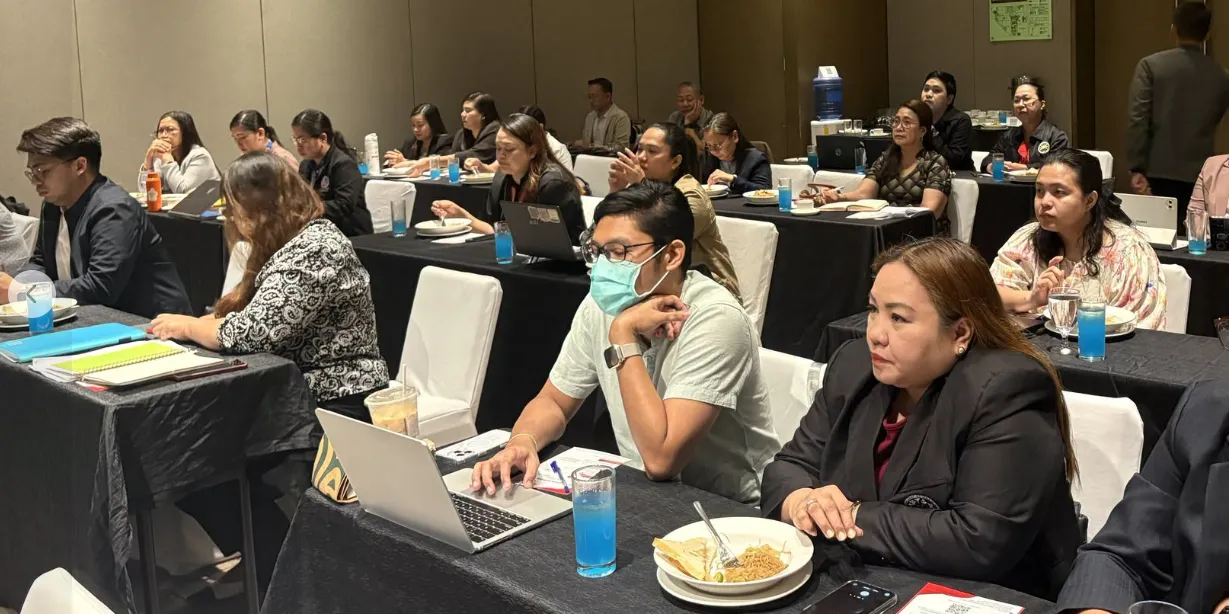
On June 15, 2026, the Commission on Higher Education Regional Office VII (CHEDRO VII) participated in a Caravan of Services at the Department of Public Works and Highways Regional Office VII in Cebu City. The activity was organized at the request of DPWH RO VII itself, which says something important about the appetite for this kind of outreach among government workers who want to know their options.
In this article:
- What the Caravan Was About
- The Programs on the Table
- Why ETEEAP Stands Out in a Room Full of Engineers and Technicians
- What DPWH Employees Actually Asked About
- The Bigger Picture: Government Workers and the Degree Gap
- What This Means If You Work in Infrastructure or the Public Sector
What the Caravan Was About
Under the leadership and supervision of Regional Director Dr. Filomena T. Dayagbil, CESE, the CHEDRO VII team set up an information hub inside the DPWH Regional Office VII compound that day. The goal was straightforward: give DPWH employees and their dependents a clearer picture of what higher education opportunities are actually available to them, and make it easy to ask questions without having to navigate government websites or make a separate trip to a CHED office.
This kind of direct engagement matters more than it might seem. Many working professionals, especially those who have spent a decade or more in technical roles, assume that college is simply behind them. Too old, too busy, too far removed from student life. Events like this Caravan of Services exist specifically to correct that assumption.
The activity was part of CHEDRO VII’s continuing mandate to strengthen partnerships with government agencies and bring accessible education closer to the communities it serves.
The Programs on the Table
CHEDRO VII personnel ran information and consultation sessions covering the agency’s full suite of Student Financial Assistance Programs, or StuFAPs. Several programs were highlighted:
The Tulong Dunong Program (TDP) provides financial assistance to qualified students who are enrolled in public and private higher education institutions. The Tertiary Education Subsidy (TES), under the Universal Access to Quality Tertiary Education Act (Republic Act No. 10931), covers tuition and other fees for students in State Universities and Colleges.
The Bagong Pilipinas Merit Scholarship Program (BPMSP) targets high-achieving students who need financial support to pursue higher education.
And then there was ETEEAP. The Expanded Tertiary Education Equivalency and Accreditation Program occupies a different category from the scholarship programs, because it is not just about funding. It is about the degree itself. Specifically, it is about the possibility of earning one without starting from scratch.
Why ETEEAP Stands Out in a Room Full of Engineers and Technicians
Think about what a DPWH regional office looks like in practice. It is full of people who know exactly what they are doing. Engineers, surveyors, project supervisors, administrative staff, technical specialists who have spent years managing infrastructure projects, dealing with contractors, reading blueprints, and solving problems that do not have textbook answers.
Many of them never finished a degree, or never started one at all. Others may have started but stopped when life got in the way. Some hold a degree in one field but have spent their careers building expertise in a completely different one.
ETEEAP was built for exactly these people. Under the program, a qualified applicant can have their professional experience, training, and demonstrated competencies assessed by a CHED-deputized Higher Education Institution (HEI). If the assessment confirms that their knowledge and skills meet the academic standards of a particular degree program, they can earn that degree without completing the conventional four-year curriculum.
The key requirements are not complicated. An applicant must be a Filipino citizen, at least 23 years old, hold at least a high school diploma, and have a minimum of five years of relevant work experience in the field related to the degree being sought. You can check whether you meet those criteria right now on the ETEEAP eligibility page.
What makes ETEEAP particularly relevant for government workers is this: the degree you earn through ETEEAP is identical to one earned through a traditional program. Same CHED recognition. Same diploma. Same legal standing for salary adjustments, promotions, and, in applicable fields, Professional Regulation Commission (PRC) licensure examinations.
What DPWH Employees Actually Asked About
Caravans like this one tend to generate the same categories of questions, and they are the right questions to ask. Attendees were given the opportunity to raise inquiries regarding admissions requirements, scholarship qualifications, and the academic pathways available through CHED-deputized institutions.
For ETEEAP specifically, the most common questions from working professionals usually revolve around a few things: whether their specific job experience qualifies, what documents they need to prepare, which schools near them are authorized to offer the program, and what the actual assessment process looks like from start to finish.
The Guides section on ETEEAP.PH covers most of these in detail, including how to build your application portfolio, what assessors typically look for, and how to choose a program that aligns with your career path.
For those wondering about which schools in Region VII are authorized to offer ETEEAP, the Accredited Schools directory is the right place to start.
The Bigger Picture: Government Workers and the Degree Gap
There is a structural issue at play here that a single caravan cannot fully solve, but can absolutely begin to address. The Philippine public sector employs an enormous number of highly capable workers who have never held a college diploma. Some were hired under plantilla positions that did not require one at the time. Others moved up through the ranks on the strength of their performance alone.
The problem is that the civil service system, as well as many salary grade classifications, eventually puts a ceiling on advancement for people without formal academic credentials. A degree is not just a piece of paper in that context. It is a structural key that unlocks the next level of a career built entirely on merit.
ETEEAP is the government’s own answer to this problem. Institutionalized under Republic Act No. 12124, the ETEEAP Act signed into law on March 3, 2025, the program is now a permanent component of the country’s education system. It is not a pilot program. It is not experimental. It is law.
The Implementing Rules and Regulations, released through CHED Memorandum Order No. 11, Series of 2025, further locked in the quality standards and deputization requirements that ensure every degree awarded through ETEEAP actually means something. Schools cannot simply decide to offer the program. They have to be authorized by CHED, meet specific institutional standards, and maintain a panel of qualified internal and external assessors.
What This Means If You Work in Infrastructure or the Public Sector
If you are a DPWH employee, or if you work in any government agency involved in engineering, project management, environmental planning, or public administration, the ETEEAP caravan that came to Cebu City on June 15 was carrying a message worth hearing.
Your experience has academic value. The years you have spent in the field, managing projects, supervising teams, solving technical problems, and making decisions that affected real infrastructure and real communities, that body of work can be assessed and translated into a recognized college degree.
The process takes effort. There is portfolio preparation, written and practical assessments, and in some cases a period of competency enrichment to address any gaps between your experience and the full requirements of the degree program. It is rigorous by design. But it is absolutely achievable for working professionals with the right background.
The Programs page on ETEEAP.PH lists the degree programs currently available through deputized institutions, and the FAQs cover the practical details that most applicants want answered before they commit to starting the process.
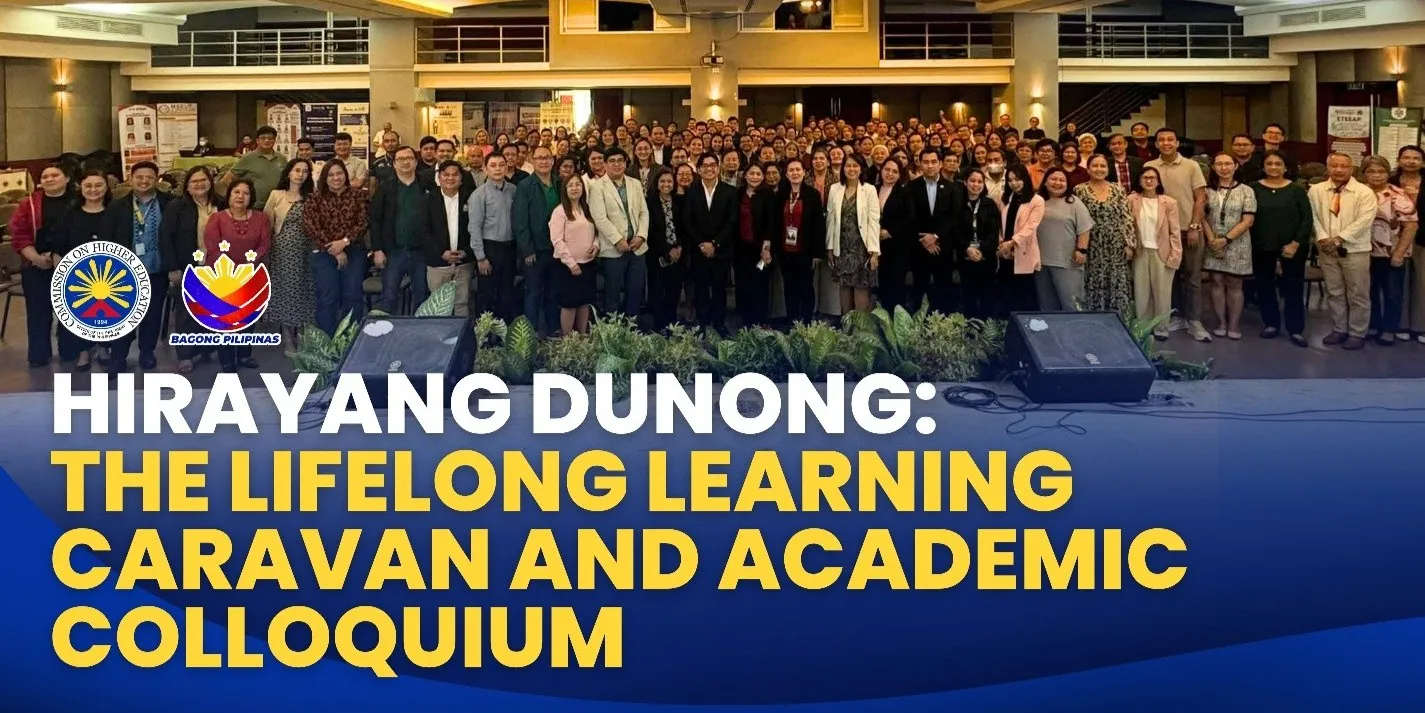
The CHEDRO VII Caravan of Services at DPWH Region VII is one data point in a broader pattern of CHED regional offices taking the program directly to the workforce. CHED CALABARZON ran a similar initiative through the Hirayang Dunong: Lifelong Learning Caravan 2026. CHED Region XI brought industry, labor, and higher education stakeholders together for the ETEEAP Davao Forum. CHED Region III has been promoting the program over the airwaves.
The momentum is real. And if you have been sitting on the idea of finally finishing that degree, the infrastructure to make it happen has never been more solid.
Check if you qualify for ETEEAP and start finding out what your experience is actually worth.