CHED Brings ETEEAP to Filipino Communities in the UK
For thousands of Filipinos working in the United Kingdom, the dream of finishing a college degree can feel like something left behind at NAIA. Busy schedules, time zone differences, and years of physical distance from Philippine universities have made that diploma feel out of reach. But a recent government initiative is signaling that things are about to change.
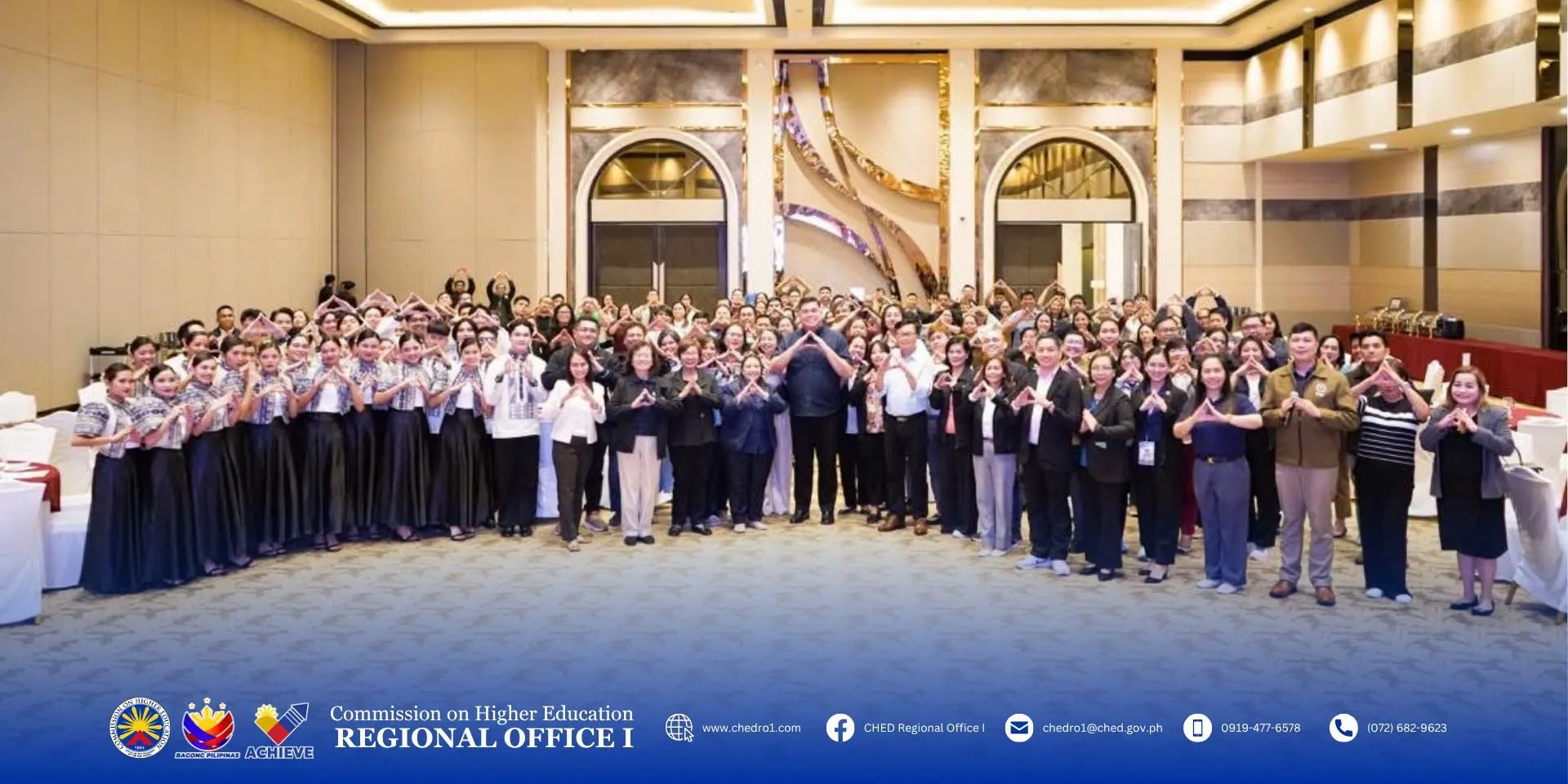
The Commission on Higher Education (CHED), in cooperation with the Philippine Embassy in London, met with various Filipino communities and organizations in the United Kingdom on 22 May 2026. Leading the delegation was Dr. Shirley C. Agrupis, Chairperson of CHED, who discussed the Commission’s various programs and services directly with the Filipino diaspora.
Among the programs front and center in those conversations was the Expanded Tertiary Education Equivalency and Accreditation Program, or ETEEAP.
Sections in this guide:
- What CHED Brought to the Table
- Why ETEEAP Is Built for Workers Like You
- The Documents You Will Need
- How the Assessment Actually Works
- Where to Apply
- A Degree That Matches Your Journey
What CHED Brought to the Table
The discussions were not limited to ETEEAP. Dr. Agrupis also presented Project TAGUMPAY, CHED TANAW, and a range of student financial assistance opportunities available to Filipinos who wish to pursue or complete higher education. The breadth of programs on display underscored a clear message from the Commission: years abroad working should not mean years away from educational opportunity.
For OFWs specifically, ETEEAP is arguably the most immediately practical of the programs presented. It is a government initiative that formally recognizes knowledge, skills, attitudes, and values (KSAVs) acquired through non-formal and informal learning outside a traditional classroom. In plain terms: if you have spent years doing skilled, supervisory, or technical work in the UK, that experience may already count toward a recognized Philippine college degree.
Why ETEEAP Is Built for Workers Like You
The ETEEAP program was originally institutionalized through Executive Order No. 330 in 1996, born out of the First Philippine Employment Summit held the previous year. It has since evolved significantly, reaching a landmark moment in early 2025 with the passage of Republic Act No. 12124, also called the ETEEAP Act. This law permanently embedded the program into the Philippine educational system with dedicated government funding and updated guidelines.
What this means for OFWs is stability. ETEEAP is no longer a pilot program or a temporary policy. It is a permanent, legally backed pathway to a CHED-recognized bachelor’s degree.
To qualify, you generally need to meet the following conditions:
- You are a Filipino citizen
- You are at least 23 years old
- You completed high school or have a PEPT placement equivalent to first year college
- You have at least five cumulative years of work experience in a field related to the degree you are applying for
- You can demonstrate proficiency in your chosen discipline through certifications, employer letters, or business registration documents
The five-year experience requirement is cumulative, not continuous. If your work history spans multiple employers or roles, those years can still be counted together as long as they are relevant to the degree program you are pursuing. OFWs are explicitly encouraged to apply, as international work experience is fully creditable under the program. You can check your eligibility quickly using the tool at ETEEAP.PH.
The Documents You Will Need
One of the most common reasons applicants stumble in the ETEEAP process is incomplete or poorly organized documentation. Before you approach any deputized school, it helps to have the following prepared:
- A Certificate of Employment (COE) from each employer, listing your job title and specific duties
- Your most recent academic record or diploma
- A comprehensive resume or CV
- Certificates of completed training and workshops
- Certificates of proficiency in your field, which can come from an employer, a regulatory body, or a licensed practitioner
- Personal identification, including a PSA-authenticated birth certificate
For OFWs, the nature of international employment makes document authentication especially important. Make sure employment records clearly state your roles and responsibilities, not just job titles, since assessors will use these to map your experience against a degree curriculum.
How the Assessment Actually Works
A common misconception about ETEEAP is that it is simply a matter of submitting papers and waiting for a diploma. It is not. The program involves a genuine, multi-stage competency-based assessment administered by a CHED-deputized Higher Education Institution (HEI). That process typically includes:
Portfolio Evaluation. Assessors examine your full work history in detail, looking at job descriptions, project reports, and evidence of responsibilities like managing teams or budgets.
Written Examination. Tests cover the theoretical foundations of the degree program, ensuring that you understand the principles behind what you have been doing in practice.
Practical Demonstration. Depending on the field (engineering, information technology, and similar technical programs often require this), you may be asked to demonstrate a skill in a controlled setting.
Panel Interview. Industry experts and academic faculty conduct a direct conversation with you to verify the depth of your experience and your professional communication.
After assessment, the HEI identifies any competency gaps between your experience and the degree curriculum. These gaps are addressed through a Competency Enrichment Phase, which may involve modular subjects, a research paper, or brief industry immersion. The degree awarded upon completion carries the same legal weight as one earned through traditional four-year study, including eligibility to sit for PRC licensure examinations in applicable fields.
Where to Apply
Only schools that have been specifically authorized, or “deputized,” by CHED are permitted to award degrees through ETEEAP. These include both State Universities and Colleges (SUCs) and private institutions with Autonomous or Deregulated status.
SUCs tend to be more affordable and carry strong academic prestige. Private schools often offer more flexible schedules and streamlined digital processes that are better suited to applicants coordinating from overseas. You can browse the list of accredited schools and available programs at ETEEAP.PH to find one that fits your situation.
When comparing schools, it is worth asking specifically whether their ETEEAP graduates in your chosen field have successfully taken licensure exams, if that is relevant to your career goals. Schools with a proven track record in your discipline will serve you better than one that simply offers the program on paper.
A Degree That Matches Your Journey
The CHED visit to the UK is a concrete reminder that the Philippine government sees its overseas workers not just as remittance senders but as individuals with rich professional histories worth formally recognizing. For many Filipino workers in the UK, the years spent in care homes, engineering firms, finance companies, and hospitality businesses represent an education in themselves.
ETEEAP exists precisely to formalize that education into something you can put on a diploma. If you have the years, the experience, and the drive, the program gives you a structured, government-backed path to the degree you never had the chance to finish.
For a full breakdown of the program, eligibility requirements, the assessment process, and a directory of accredited schools, visit ETEEAP.PH. If you are ready to take the first step, you can also check your eligibility and get guidance on your next steps.
The degree you built in the field is waiting to be recognized on paper.
Photo credits to: Philippine Embassy in the United Kingdom