CHED Region 3 Brings ETEEAP to Returning OFWs at Bayanihan Para sa Balik-Manggagawa Caravan
A mall in Cabanatuan City turned into something close to a homecoming last June 15, 2026. Families of returning migrant workers lined up not for sales or promos, but for something far more life changing: information that could help them finish a college degree. Among the agencies at the tables was the Commission on Higher Education Regional Office 3, quietly doing what it does best, connecting Filipino work experience to real academic credit.
Here’s what this article covers.
- What Happened at SM Megacenter Cabanatuan
- ETEEAP Takes Center Stage for OFWs
- Why This Matters for the ACHIEVE Agenda
- How OFWs and Their Families Can Get Started
What Happened at SM Megacenter Cabanatuan
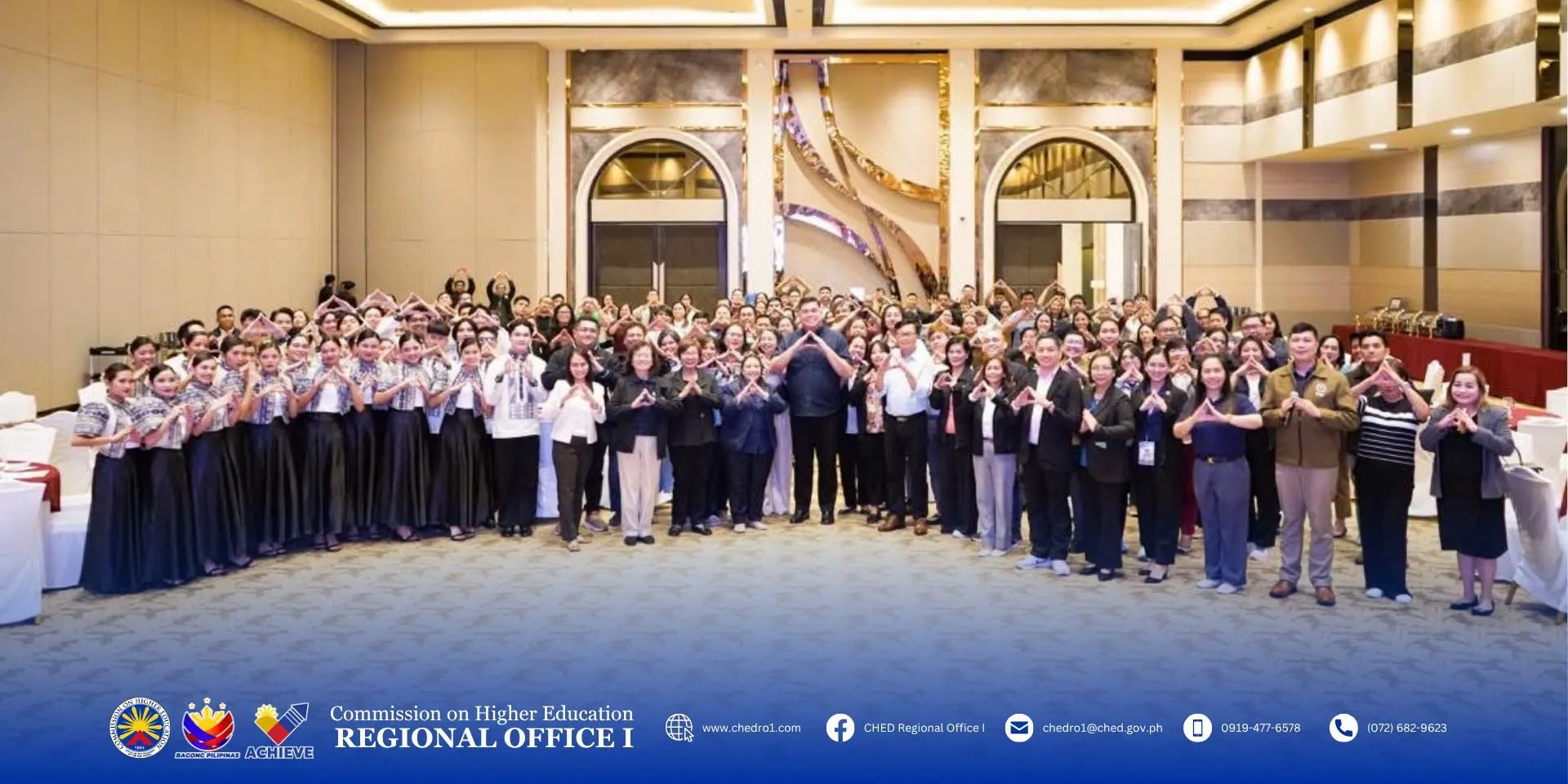
The event carried a long but fitting name: Bayanihan Para sa Balik-Manggagawa, a National Reintegration Network Caravan of Services cum Kumustahan with OFWs and their Families. It was organized by the Department of Migrant Workers Regional Office 3 as part of Migrant Workers Week, and it brought together a roster of partner government agencies at SM Megacenter in Cabanatuan City, Nueva Ecija.
The idea behind a caravan like this is simple enough. Instead of asking returning workers and their families to run from one government office to another, bring the offices to them. Reintegration support, livelihood programs, and yes, education pathways, all under one roof, on one day. For an OFW who just landed back home after years abroad, that kind of convenience can make the difference between following through on a plan and letting it slide.
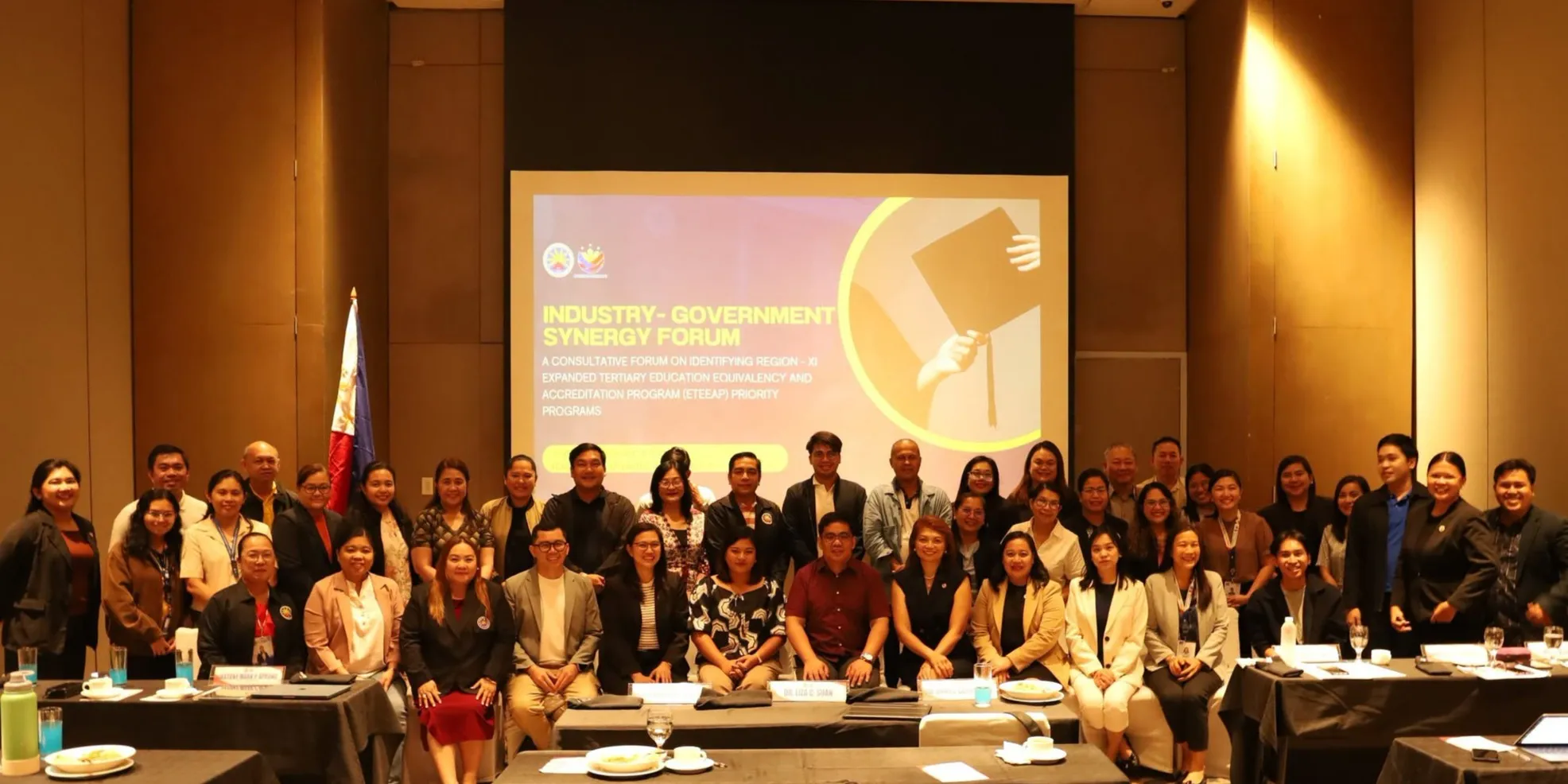
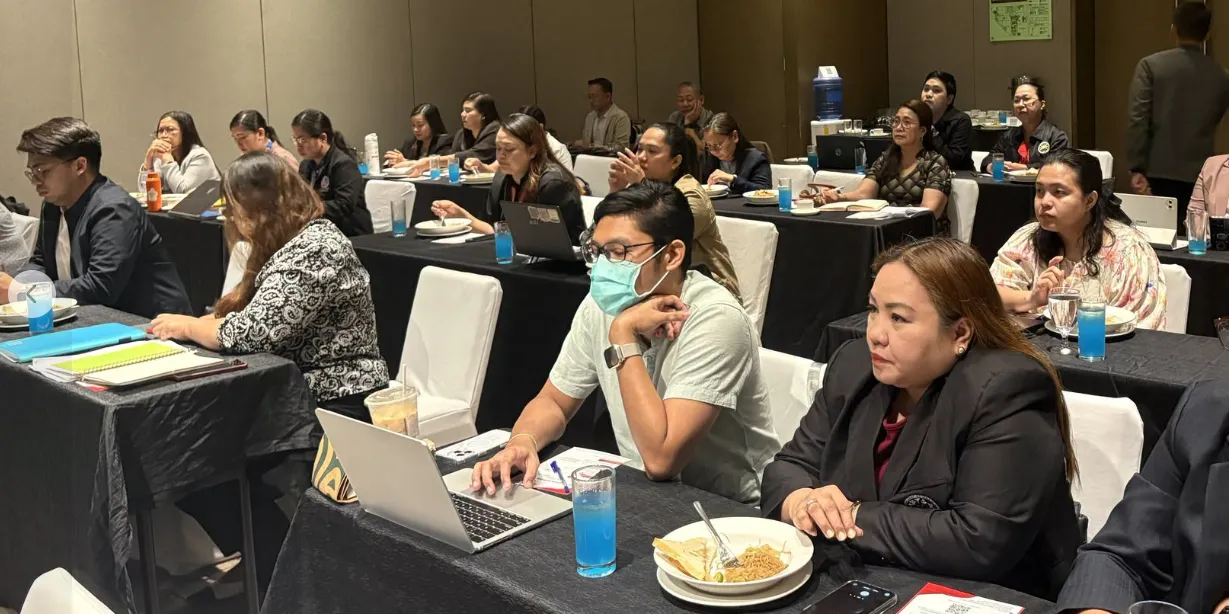
CHED Regional Office 3 showed up as one of the participating agencies, setting up alongside other government partners to walk families through the scholarship programs and services available to them.
ETEEAP Takes Center Stage for OFWs
Of everything CHED RO3 presented that day, one program drew the most attention: the Expanded Tertiary Education Equivalency and Accreditation Program, or ETEEAP. And it is easy to see why. For an OFW who spent a decade managing logistics in a warehouse in the Middle East, or years running a household as a caregiver in Hong Kong, or supervising a construction crew in Singapore, the idea that all of that counts toward a college degree tends to land differently than a typical scholarship pitch.
That is precisely what ETEEAP does. Under Republic Act No. 12124, the law that institutionalized the program, a candidate’s work experience, training, and skills can be assessed and converted into equivalent college credits, eventually leading to a CHED-recognized bachelor’s degree. No need to sit through four years of lectures from scratch. The law requires candidates to be at least 23 years old, have completed high school or its equivalent, and have accumulated at least five years of work experience related to the degree being pursued.
For OFWs specifically, this pathway carries extra weight. Years spent working abroad are not treated as time away from education. They are treated as the education itself, just delivered outside a classroom. Readers who want the full breakdown of how the process works for overseas workers can check ETEEAP for OFWs, which walks through the official CHED portal, the document checklist, and the five stage journey from registration to graduation.
Why This Matters for the ACHIEVE Agenda
CHED RO3’s presence at the caravan was not just a one off appearance. It reflects a broader push under the Commission’s ACHIEVE agenda, specifically the pillar on Advanced and Accessible Learning. The underlying message is that learning does not stop at a certain age, and it certainly should not stop just because someone had to leave the country to provide for their family.
That principle matters more than ever right now. Thousands of Filipinos return home each year after working abroad, many of them carrying deep technical and professional expertise but no diploma to show for it. Events like this caravan put a face to that reality and, more importantly, put a solution directly in front of the people who need it, rather than leaving them to stumble upon it online months or years later.
It also signals something practical for families watching from the sidelines. A returning parent or sibling who finally earns a degree through ETEEAP does not just gain a piece of paper. They open doors to promotions, professional licensure exams, government eligibility, and, for many, a long overdue sense of closure on a goal they had to set aside.
How OFWs and Their Families Can Get Started
If you or someone in your family attended the Cabanatuan caravan, or simply heard about it secondhand, the good news is you do not need to wait for the next roadshow to take the first step. The eligibility rules under RA 12124 are consistent no matter where or how you apply.
Start by checking whether you meet the basic requirements on our Eligibility page. From there, browse the list of CHED deputized schools through our Accredited Schools directory, since only these institutions can legally assess and award ETEEAP credits. If your career took you overseas, the ETEEAP for OFWs guide is the most direct route, covering the official CHED registration portal and the documents you will need to prepare.
Reintegration is rarely just about finding the next job. For a lot of returning OFWs, it is also about finally finishing something they started years ago. ETEEAP exists for exactly that reason, and thanks to caravans like the one in Cabanatuan, more families are learning about it before it is too late to apply.