CHED Region XI Brings Industry, Labor, and Higher Education Together for ETEEAP Davao Forum
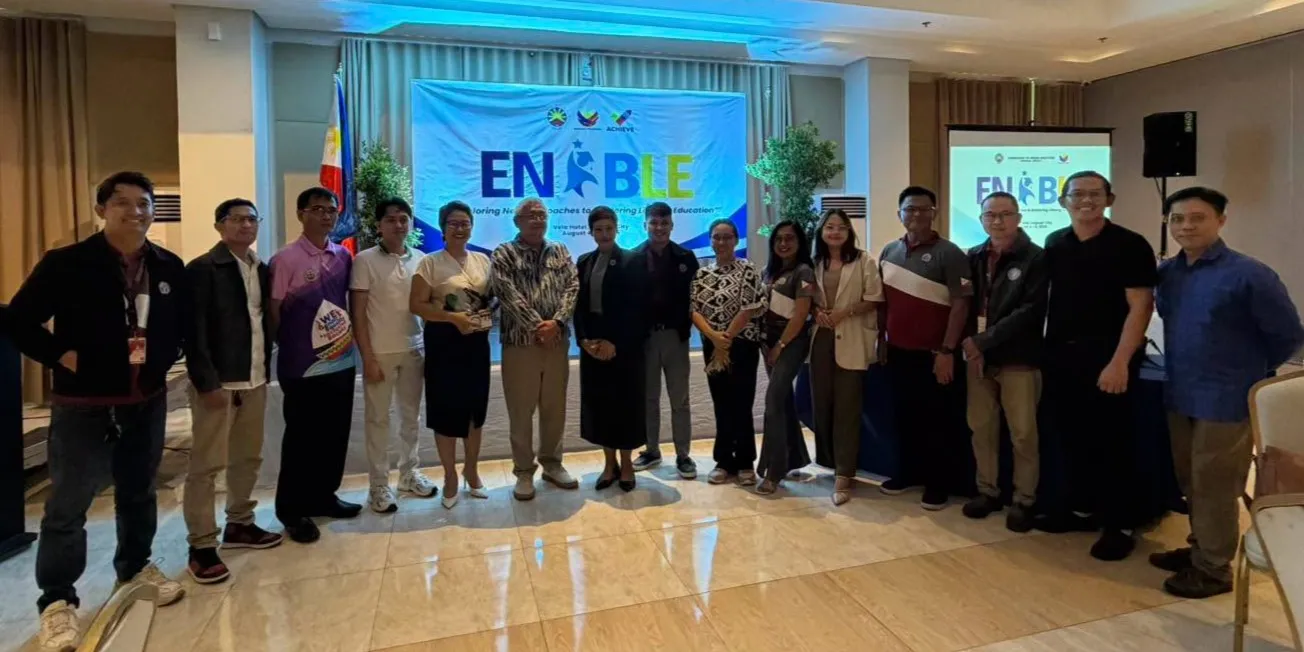
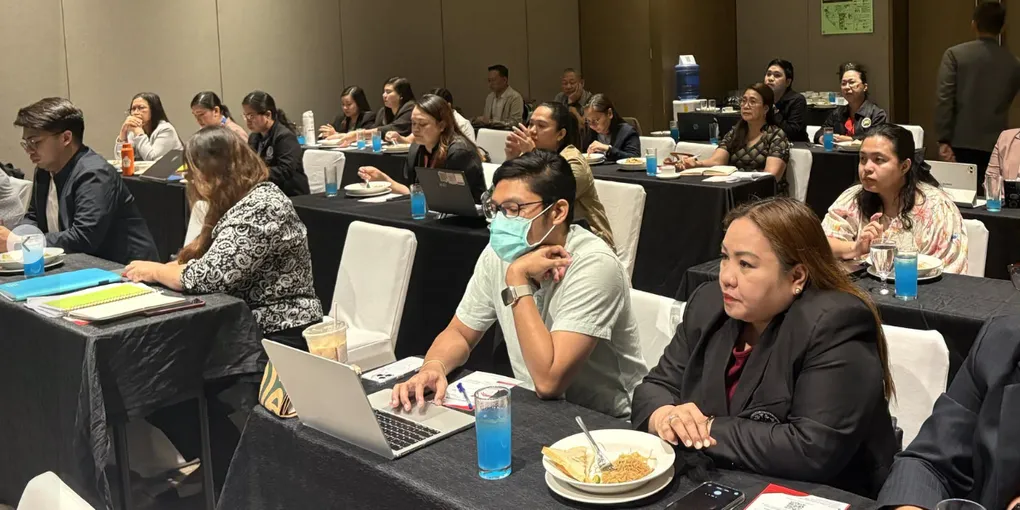
Davao City had a packed room on June 18, 2026. Around 50 people from government agencies, private industry, and higher education institutions sat down together at Acacia Hotel Davao for one purpose: figuring out how to make the Expanded Tertiary Education Equivalency and Accreditation Program actually work for Region XI’s workforce. The Commission on Higher Education Regional Office XI (CHED RO XI) called it the Industry-Government Synergy Forum, and the name fits. This wasn’t a lecture. It was a working conversation about how Republic Act No. 12124, the law that institutionalized ETEEAP, gets translated into real, region-specific opportunities for Filipino professionals.
If you’re new to ETEEAP or wondering what it actually does, our overview of what ETEEAP is and how it works is a good starting point before diving into this one.
Here’s a quick map of what’s covered below, in case you want to jump ahead:
- Why CHED RO XI Called This Forum
- Who Showed Up
- What Got Discussed
- Why This Matters If You’re an ETEEAP Applicant
- The Law Behind the Forum
Why CHED RO XI Called This Forum
ETEEAP has always been built on a simple idea. Years of work experience can be worth as much as a classroom education, provided someone can properly assess and credit it. But for that idea to hold up in practice, the academic programs offered through ETEEAP need to actually match what the regional economy needs. A degree program that nobody in Davao’s industries is hiring for doesn’t do much good for the professional pursuing it or the institution offering it.
That’s the gap this forum tried to close. By bringing labor agencies, industry partners, and CHED-deputized or aspiring schools into the same room, CHED RO XI wanted to identify which academic programs in Region XI should be prioritized for ETEEAP, based on actual workforce and economic development needs rather than guesswork. It’s a practical exercise, but it’s also exactly what RA 12124 envisions for the program going forward. You can read more about how the law itself defines ETEEAP’s mandate if you want the full legal picture.
Who Showed Up
The forum opened with a message of support from Dr. Jimmy G. Catanes, CESE, Director IV of the CHED Office of Programs and Standards Development (OPSD), the office tasked with strengthening ETEEAP’s implementation nationwide. He spoke to the room about why the program matters for expanding access to higher education, particularly for professionals whose prior learning and work experience have never been formally recognized.
From there, the floor went to representatives of the agencies most plugged into the country’s labor landscape. Ms. Lynette V. Llaban, Chief Labor and Employment Officer of the Department of Migrant Workers (DMW), and Ms. Marie Rose C. Escalada, Labor Attaché II and OIC-Assistant Regional Director of DMW Region XI, brought the perspective of overseas Filipino workers into the discussion, a group that’s central to ETEEAP’s purpose. Mr. Jestony Mark P. Aprong and Mr. Nelson Z. Embaño, both Senior TESD Specialists from TESDA RTC-KPVTC Davao, represented the technical-vocational side of the equation. Rounding out the panel was Ms. Elvi Cathel Lzil O. Moliva, Labor and Employment Officer III of DOLE XI, who weighed in on broader labor market conditions in the region.
It’s a fairly deliberate lineup. Migrant workers, technical-vocational education, and local labor data each pull from a different part of the workforce puzzle, and ETEEAP is meant to serve all three.
What Got Discussed
The presentations covered ground that doesn’t always make it into ETEEAP conversations: workforce demand data, skills development priorities, and labor market trends specific to Davao and the wider region. These aren’t abstract topics. They’re the raw material CHED uses, together with input from agencies like DepEd, TESDA, and DOLE, to decide which programs deserve to be opened up through ETEEAP in a given area. Under RA 12124, this kind of inter-agency coordination isn’t optional. It’s actually written into the law as one of CHED’s core functions in running the program.
Speakers also touched on opportunities for ETEEAP implementation moving forward, which is a fairly open phrase but points to the same underlying goal. Match the degree pathways to where the jobs and skills gaps actually are, instead of leaving institutions to guess.
Why This Matters If You’re an ETEEAP Applicant
If you’re based in Davao or anywhere in Region XI and considering ETEEAP, forums like this one are worth paying attention to, even if you weren’t in the room. They’re often the first sign of which programs a regional CHED office plans to prioritize for deputization or expansion. If your industry or profession came up in the labor market discussions, there’s a decent chance a relevant program could be opened or strengthened in your area sooner rather than later.
It’s also a reminder that ETEEAP isn’t a static checklist somewhere on a government website. It’s a program that regional offices actively shape based on local conditions. If you haven’t yet checked whether you meet the basic requirements, our ETEEAP eligibility guide walks through the age, education, and work experience criteria in plain language. And if you’re already weighing which school to apply to, browsing the list of CHED-deputized schools is a useful next step.
The Law Behind the Forum
None of this happens in a vacuum. RA 12124, signed into law and formally institutionalizing ETEEAP, gives CHED the authority to work with agencies like DepEd, TESDA, and DOLE specifically to identify priority programs that are most in demand or needed in a given region. The Implementing Rules and Regulations issued by CHED go a step further, requiring that any program a higher education institution wants to offer through ETEEAP be backed by proof that it aligns with the region’s identified priority needs, as endorsed by these same agencies.
In other words, the Davao forum wasn’t a one-off gesture. It’s the kind of coordination the law specifically asks for. Whether that translates into new accredited programs in Region XI over the coming months is something worth watching, and we’ll keep an eye on it.
For the bigger picture on how RA 12124 reshaped ETEEAP nationwide, our guide to the ETEEAP program breaks down the law in more detail. And if you’re ready to see where you stand, check your eligibility here and take the first real step toward turning your work experience into a recognized degree.
Photo Credit: CHED RO XI